

We publish new, free e-Devotionals weekly.
Would you like to receive them?
We publish new, free e-Devotionals weekly.
Would you like to receive them?
More Devotionals
More Devotionals

The Connection
My Dear Friend,
In recent meetings, I have heard several dear Christian leaders making statements t...
Read More
Rewarded by Works or Grace
My Fellow Christian,
Five hundred years ago, Reformers struggled to establish the doctrine of salva...
Read More
Never Before in Human History !
My Dear Friend,
Never before in human history had there been such a thing. A flood covering the ent...
Read More
1 Thessalonians - The Rapture Epistle
My Dear Friend,
Among New Testament epistles, 1 Thessalonians stands out for its unique focus on th...
Read More
The Greatest Challenge!
My Dear Friend,
Of this truism there is little doubt: the Christian's greatest challenge is to live...
Read More
The Promotable Life
My Dear Friend,
Are you a promotable Christian? That is, one who is prepared, ready, or worthy to b...
Read More
The Vision
My Dear Friend,
Before a vision of God's purpose may be believed and followed, it must first be cas...
Read More
A Corrective Word About Prophets
My fellow Christian,
"The Lord God does nothing without revealing his secret to his servants the pr...
Read More
To "Feel in the Heart"
My Dear Friend,
Some think that Christian worship should involve our human emotions. Others do not,...
Read More
Our Christ Worth
My Dear Friend,
In this utterly materialistic world, we are evaluated and rated, consciously or unc...
Read More
About Self-Pity
My fellow Christian,
Overwhelmed and undone by the terrible adversities God poured upon him to test...
Read More
Wondering at a Wonderful Wonder!
My Dear Friend,
One of the most miraculous episodes in the Old Testament is described in 1 Samuel 1...
Read More
About Ruling & Reigning With Christ
My fellow Christian,
Christians are often taught by well-meaning ministers that we will all rule wi...
Read More
The Blessing, The Blessed, The Unblessed
My Dear Friend,
Across the centuries of sacred history, Psalm 134 is calling us. It's summons? Bles...
Read More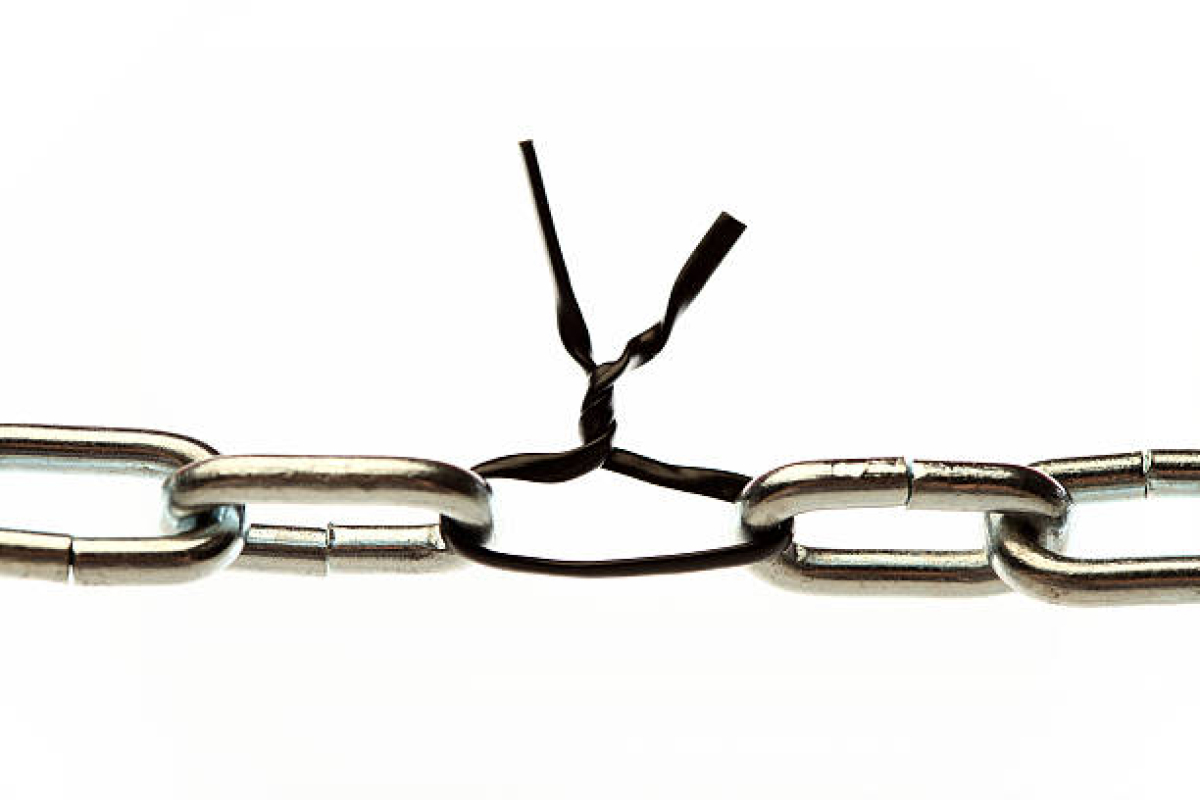
Weak Links
My Dear Friend,
Satan's assaults on God's people are not imaginary. They are real, constant, destru...
Read More
Pressurized Christians
My Dear Friend,
We all admire spiritually strong leaders. They are thick-skinned, durable, indefati...
Read More
Substance or Show?
My Dear Friend,
For a long time now, too many American churches have used sophisticated advertising...
Read More
The Case for Meekness
My Dear Friend,
The Holy Spirit showed Solomon there are six things God hates, the first being "a p...
Read More
When Leaders Get It Wrong!
My Dear Friend,
May I share with you something that has recently weighed heavily on my heart?
I am...
Read More
Crying Out for His Coming
My Dear Friend,
Revelation 22 is the last Word on God's Word. It closes the Book of Revelation, the...
Read More
Unalarmable!
My Dear Friend,
Recently, my devotional reading took me to 1 Peter 4:18. There Peter prophesied som...
Read More
The Paradox of Works
My Dear Friend,
A paradox is something that sounds as if it cannot be true, yet it is. The Bible's ...
Read More
A Message to The Married
My Dear Friend,
In the degree program section of its University Catalogue, Family Law University (F...
Read More
The Greatest Praise and Worship
My Dear Friend,
Do you know what the greatest praise and worship is in God's eyes? That which gives...
Read More
A Note to Noteaholics
My Dear Friend,
After years of trying to hide this from the Christian public, I must now come clean...
Read More
The Moses Principle
My Dear Friend,
Being omniscient, God immediately sensed Moses was overwhelmed at the commission He...
Read More
Where Are All His Miracles?
My Dear Friend,
Deeply disappointed by many years of not seeing God's direct intervention in Israel...
Read More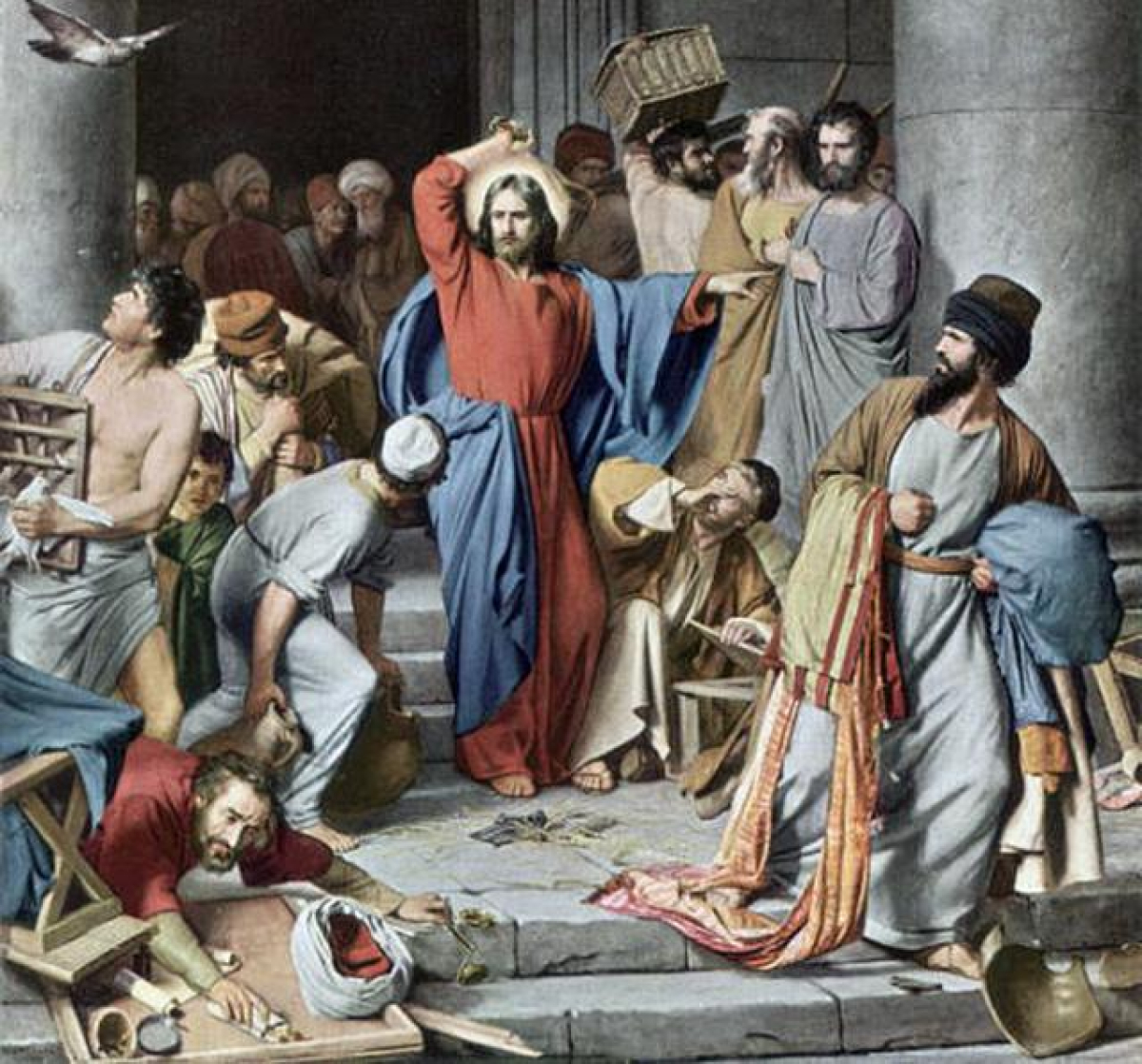
A Major Correction
My Dear Friend,
A major correction is coming to the church as we move toward the time of the transl...
Read More
Petrine Eschatology
My Dear Friend,
Petrine eschatology, or Peter's view of the last things, is, when read thoughtfully...
Read More
He Went His Way
My Dear Friend,
As Luke's Gospel tells it, Jesus' ministry got off to a bad start. In fact, it almo...
Read More
Let's Get Little!
My Dear Friend,
When he first met Jesus, Paul's name was "Saul," meaning "asked for, sought after."...
Read More
From Pledge to Polemicist
The young, popular high schooler had no clue what he was getting into. All Greg Hinnant wanted to do...
Read More
2025 - The Year of The Altar
My Dear Friend,
May I share what I believe the Holy Spirit is saying to the churches in 2025? It is...
Read More
The Highest Ministry
My Dear Friend,
Contrary to popular Christian opinion, the highest ministry - or most spiritual, el...
Read More
Now About Communion . . .
My Dear Friend,
A multifaceted Sacrament, Holy Communion, or the Lord's Supper, is: central, contro...
Read More
Are Your Rivers Flowing?
My Dear Friend,
In John 7:37-38, Jesus gave us this amazing promise: "If any man thirst, let him co...
Read More
Are You Correctable?
My Dear Friend,
May I tell you about a key New Testament minister who, though already fervent, scho...
Read More
The Greatest Test
My Dear Friend,
What is the truest measure of being a real Christian? What is the surest evidence b...
Read More
Baggage Check, Please . . .
My Dear Friend,
Are you, a friend, or a family member considering marrying or remarrying? If so, th...
Read More
The Insignificance of Human Insignificance
My Dear Friend,
When in the lowest season of his life Gideon was suddenly told by an angel he was d...
Read More
A Prayer for Bible Students
My Dear Friend,
Sometimes in our zeal to discover more new, details about biblical events, authors,...
Read More
A Prophetic Word . . .
My Dear Friend,
I will refrain from prefacing this message with "Thus saith the Lord," but I do bel...
Read More
A Dynamic Divine Message
My Dear Friend,
For years, John the Baptist lived alone in the desolate Judean wilderness in deep, ...
Read More
"Cast" Sheep
My Dear Friend,
In Phillip Keller's classic book, A Shepherd Looks at Psalm 23, he describes a "cas...
Read More
What is a Pure Heart?
My Dear Friend,
Jesus declared, "Blessed are the pure in heart," and added the promise, "for they s...
Read More
Rapture Terminology 101
My Dear Friend,
The translation of the church, or rapture, is the sudden catching away of tested, s...
Read More
His Deep Leading
My Dear Friend,
He led them through the depths," says Psalm 106:9, speaking of the way God chose to...
Read More
Seeing Through the Present
My Dear Friend,
This is a wonderful yet dangerous and potentially confusing moment for Christians. ...
Read More
To Church Leaders
My Dear Friend,
In the beginning, church leaders ordained those they felt Jesus had called and gift...
Read More
A Commitment or New Birth?
My Dear friend,
Here is a New Testament news flash: being saved is not a "commitment." Yes, you rea...
Read More
No Matter How Fiercely Opposed
My Dear friend,
An oft-seen biblical pattern is this: God always accomplishes His sovereign will an...
Read More

The "Let's Play God" Game
My Dear Friend,
You have surely heard it said, "Don't try to play God!" But have you ever wondered ...
Read More
The Preaching He Bids Us
My Dear Friend,
Miraculously rescued, freshly revived, and newly recommissioned, Jonah perceived Go...
Read More
Itinerant Incessant Intercessors
My Dear Friend,
Prayer is a primary Christian discipline and teaching topic. All believers have tak...
Read More
Church Growth God's Way
My Dear Friend,
If honest, pastors everywhere will admit they desire to see their churches grow. Or...
Read More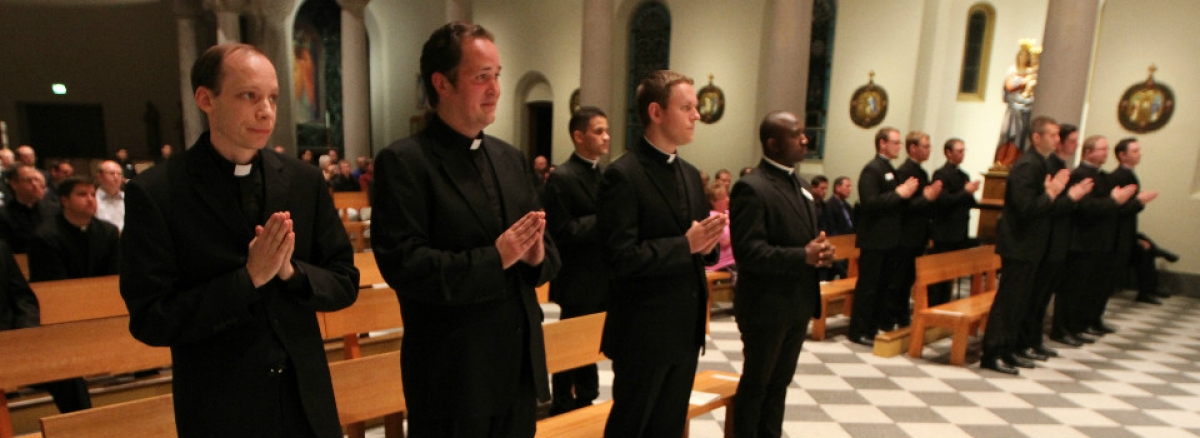
Religiousness vs. Realism
My Dear Friend,
For centuries many Christians have been drawn to religiousness, while others were b...
Read More
Unity, Tribalism, What's Next?
My Dear Friend,
Truth gets around. And here's some timely truth: “Every house divided a...
Read More
Christian Reprogramming
My Dear Friend,
"Be ye transformed by the renewing of your mind," wrote Paul in Romans 12:2. If he ...
Read More
God's River-Powered Plan
My Dear Friend,
The Bible reveals God has a plan to take us from here to glory, earth to heaven, an...
Read More
The Undisciplined Christian
My Dear Friend,
One of the most unrecognized causes of trouble in Christians' lives and churches is...
Read More
A Biblical Prophecy - Re-Prophesied!
My Dear Friend,
Inspired by the inerrant, divine, Spirit of prophecy, an unnamed Jewish prophet iss...
Read More
An Inside Job . . .
My Dear Friend,
In a key revelatory moment, God told Samuel, "The Lord doesn't see things the way y...
Read More
About Materialism
My Dear Friend,
Materialism has two meanings. First, it is the philosophical theory that only mater...
Read More
Words From The Wilderness
My Dear Friend,
Just before Jesus arrived, God spoke to His people through another man. A different...
Read More
Ladies & Lords?
My Dear Friend,
Whenever a man presumes to speak a word of correction to ladies, he is on thin ice....
Read More
Walking The Walk
My Dear Friend,
In the beginning God came down every afternoon to walk with Adam and Eve in the gar...
Read More
The Spiritually Fruitful Life
My Dear Friend,
In John 15:2, Jesus frankly described the true nature of the spiritually fruitful l...
Read More
Satan's Biggest Weapon
My Dear Friend,
Satan's most powerful weapon is not a guided missile, million-man army, nuclear att...
Read More
A Verse For Life
My Dear Friend,
Many Christians own flip calendars inscribed with an inspirational Bible verse for ...
Read More
Tattooing Tattooing
My Dear Friend,
In recent decades tattoos have been trending. Now many Christians are getting tatto...
Read More
Delighting or Disappointing The Lord?
My Dear Friend,
I am sure this piece, which is addressed solely to Christians, is timely. I also ho...
Read More
Just-Barely Moments
My Dear Friend,
The Scriptures and life confirm that God loves last-minute deliverances! Time and a...
Read More
A Missionary Moment
My Dear Friend,
Has God called you to personally share the gospel in foreign fields? If so, go! And...
Read More
Cancelling Our God-Cancelling Traditions
My Dear Friend,
Our culture is reeling from the newest new thing: the idiocy of cancel culture. But...
Read More
The First Word of The Gospel
My Dear Friend,
If asked, "What was the first word of the true, original gospel?" most Christians w...
Read More
One Thing I Know!
My Dear Friend,
While being pitilessly grilled over his healing by corrupt religious leaders bent o...
Read More
So Your Pastor Doesn't Work?
My Dear Friend,
As we quietly and unceremoniously pass through this sad, dark world, many people wo...
Read More
The Time is Coming . . .
My Dear Friend,
For several decades now, the American church has been in spiritual decline because ...
Read More
The Fountain Maker
My Dear Friend,
It happened suddenly, and in the most unlikely place, a fruitless, hot, dry, dead, ...
Read More
The Clinging Christian
My Dear Friend,
Barnabas wisely exhorted the new converts at Antioch "that with purpose of heart" t...
Read More
The Perfectly Guided Perfectly Blind
My Dear Friend,
In Mark 8:22-26, a perfectly blind man met a perfect Guide and followed His instruc...
Read More
The Remembrancer
My Dear Friend,
When 4,000 Gentiles who had been with Jesus three days ran out of food, the discipl...
Read More
Forgetting Forgetfulness
My Dear Friend,
Long ago and far away, hidden in the dusty pages of our Bible, an ancient Jewish sc...
Read More
A Disappointed Generation
My Dear Friend,
Not long ago, I lunched with a minister friend from a nearby city. He knew I teach ...
Read More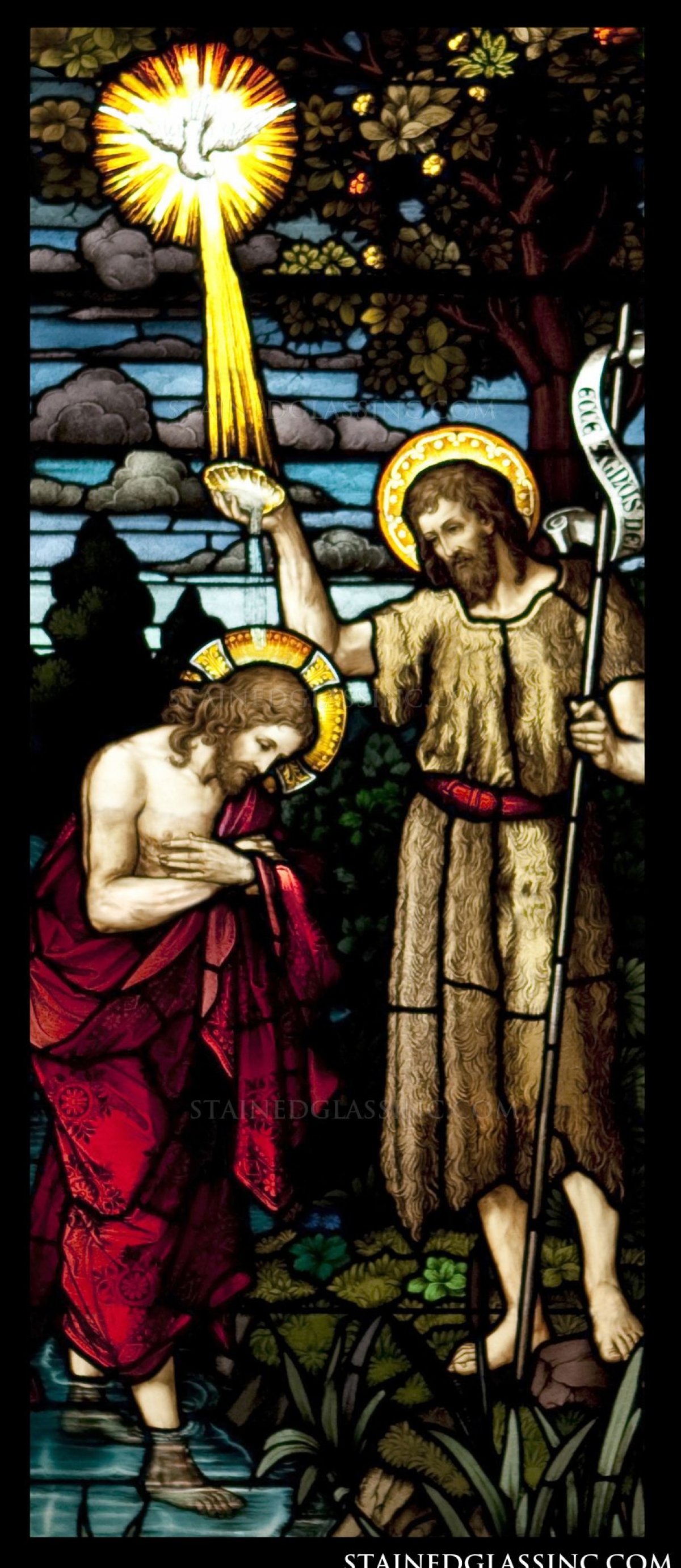
The Holy Trinity
My Dear Friend,
The Holy Trinity is an acknowledged mystery in that no human mind, however brillian...
Read More
Dr. Insanity - and The Rest of The Revival Story
My Dear Friend,
As many do, I believe the Scripture and Spirit are telling us an awesome, sovereign...
Read More
In The Crusher !
My Dear Friend,
In Psalm 12, David recorded his urgent visceral cry for rescue: "Help, Lord" (Psalm...
Read More
The Justice Test
My Dear Friend,
True justice is truly apolitical, and any form of justice that is political is trul...
Read More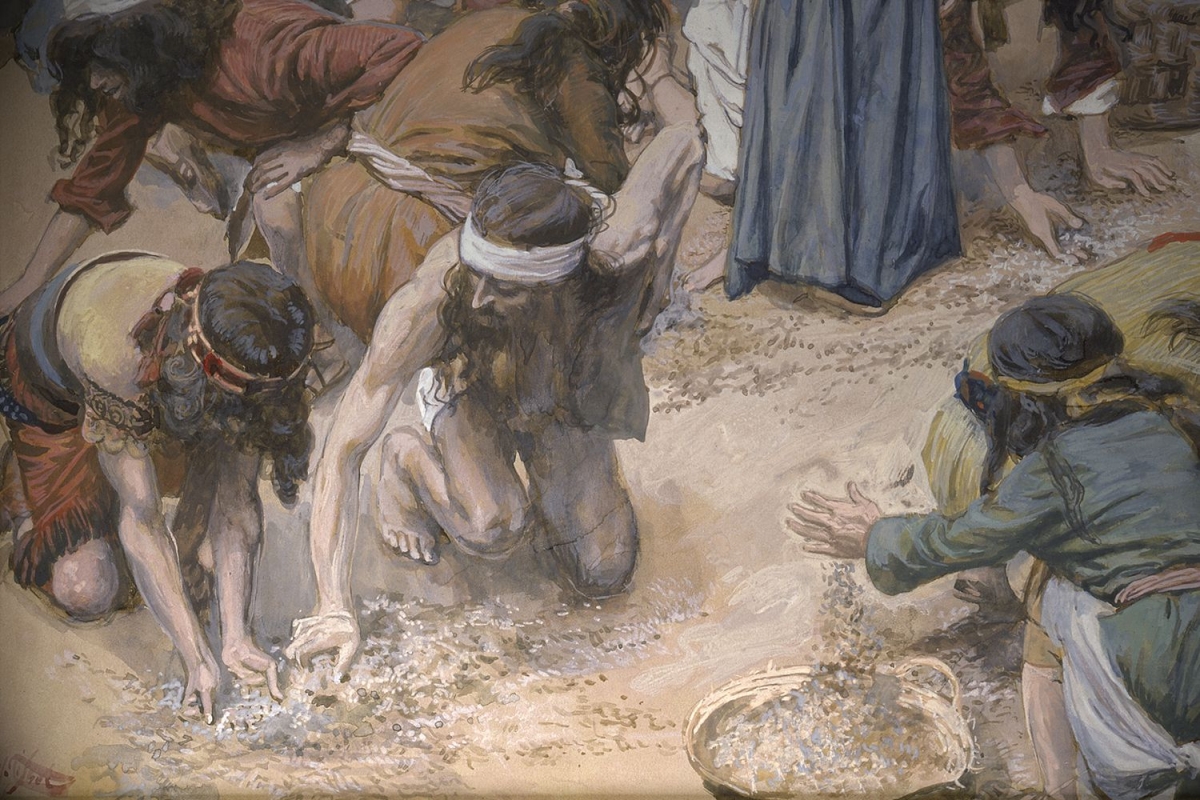
Manna is Still Falling !
My Dear Friend,
After being freed from bitter bondage to Pharaoh, the children of Israel received a...
Read More
The Sabbath
In Genesis 2:2-3, God blessed the 7th day and sanctified it as holy because on that day He rested fr...
Read More
Our Present Perfect Planner
My Dear Friend,
Are you anxiously planning your future? Are you confused, troubled, unsure, unsettl...
Read More
Go to Church!
My Dear Friend,
My not-so-subtle title gives away my theme. Yes, I am saying believers should atten...
Read More
"Better Than Ten"
My Dear Friend,
Hannah's story is well known (1 Samuel 1:1-18). Barren Hannah envied her female riv...
Read More
The Gossip Truth !
My Dear Friend,
As God would have it, people who habitually indulge in gossip - untruths, half-trut...
Read More
The Eternal Energy Exchange
My Dear Friend,
Quiet time spent absolutely alone at Jesus' feet, giving thanks, worshiping, and me...
Read More
A Feel-Good Message
My Dear Friend,
To feel good or to be good? that is the question! And it is on ever...
Read More
A Very Unlikely Miracle Worker!
My Dear Friend,
When Jesus arrived at Bethany, everyone was in a low condition. Very lo...
Read More
All-Weather Christians
My Dear Friend,
One Sunday morning not long ago, it rained rather heavily. As a resul...
Read More
God's Incarnate Answers
My Dear Friend,
We often, and understandably, pray, "Lord, please give me an answer to pray...
Read More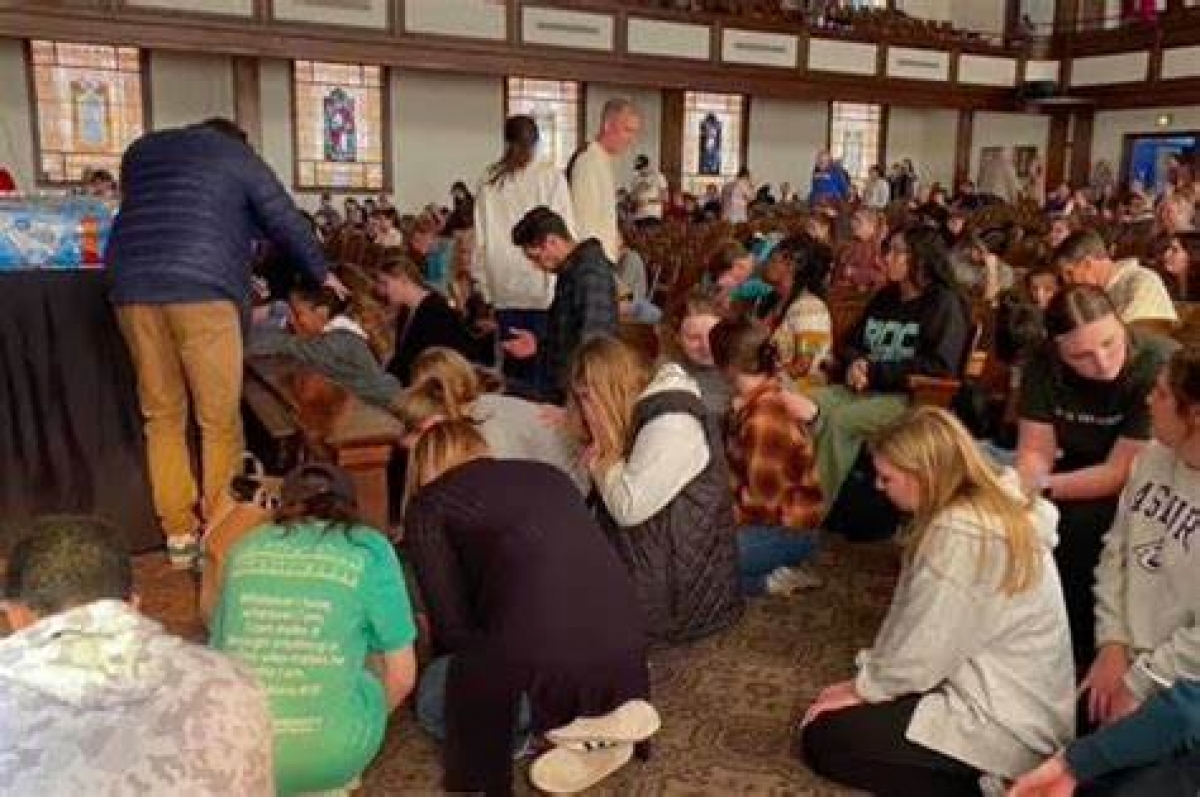
When Jesus Walks In - And Stays!
Dear Friend,
Uncannily, yet just as God would have it, the 1970 Asbury College awakening and this 2...
Read More
Revivalolatry
Dear Friend,
Recent extended, extraordinary encounters of God's presence at Asbury Seminary in ...
Read More
Against Perfectionist Pastors?
Dear Friend,
We often hear well-intended criticism of perfectionists. These complaints usually desc...
Read More
A Do-Nothing God?
Dear Friend,
Surprisingly, God's prophet spoke God's Word prophesying God's coming judgment on God'...
Read More
Mission Accomplished!
Dear Friend,
I believe in missions, support several missionaries, and consider it my distinct privi...
Read More
Moving-In Day
Dear Friend,
The long-awaited day finally came. Scripture carefully notes the triumphant moment whe...
Read More
Doctor-Pastors
Dear Friend,
We typically distinguish between ministers and physicians, seeing them as two separate...
Read More
The Real Christmas Gifts
Dear Friend,
While some Christians do not observe Christmas, others enjoy giving and receiving Chri...
Read More
The WONDERS of Importunity
Dear Friend,
When suddenly thrust into grave danger with no apparent way out, the Jerusalem church ...
Read More
Funeral Services To Be Held
Dear Friend,
This is a call to attend a funeral. But not an ordinary one.There will be no flowers o...
Read More
"Take These Things From Here!"
Dear Friend,
Attention! This is a negative piece, a critique of church practice, and I realize I m...
Read More
Don't Get Passed By!
Dear Friend,
As sweet and inspiring as it is, our walk with Christ has some unusual, even strange, ...
Read More
Are You At Home?
Dear Friend,
We often hear this question posed, almost always speaking of our natural homes, or phy...
Read More
For An Audience of One
Dear Friend,
In the fall of 1973, I enrolled at Appalachian State University in Boone, North ...
Read More
God's Secret Service
Dear Friend,
One of our nation's most valued agencies is the Secret Service. It is a division of th...
Read More
Great Trouble, Great Fruitfulness
Dear Friend,
A powerful lesson is hidden in Isaiah 26-27. Let's uncover it.Isaiah 26-27 are part of...
Read More

Let God Be God
Dear Friend,
In the simple, short phrase, "Let God be God," lies the wisdom of the ages. Then let's...
Read More
Death, or Growth, By Congregation
Dear Friend,
A recent chat with a pastor reminded me of a rather unpleasant fact: churches can make...
Read More
Winning Water Wars
Dear Friend,
Referring to the relentless and contentious quest for water in the arid plains of the ...
Read More
Seeing The Invisible Individual
Dear Friend,
A devilish, divisive, destructive force has been unleashed among us and, for the prese...
Read More
How Good! How Pleasant!
Dear Friend,
"How good! How pleasant!" - says the psalmist of God's commanded blessing. And his ent...
Read More
Every Valley A Fountain
Dear Friend,
In the promised land, unlike Egypt, there were fountains of living (fresh, free-flowin...
Read More
Feeling "Clingy"?
Dear Friend,
David was the first in a long line of spiritual clingers. Listen to the testimony of h...
Read More
It's Time for This Baptism
Dear Friend,
Many Christians today are trying to get by on one work of grace when the first church ...
Read More
Is God's Love Truly Unconditional?
Dear Friend,
A concern has been gestating in my soul for some time now and I simply must birth it. ...
Read More
The Holy Spirit Zone
Dear Friend,
A zone is an area or region distinguished from its surroundings by some distinctive fe...
Read More
Handling Stress
Dear Friend,
In Mark 6:30-32, Jesus addressed a subject that is discussed often in our day: stress!...
Read More
The Archers and The Plowmen
Dear Friend,
Genesis 49 and Psalm 129 have an important message for Christians who are being repeat...
Read More
Open Wide!
Dear Friend,
Just after saving Israel from Egypt, God had a word for His people: "Open thy mouth wi...
Read More
The Unrecognized Christ
Dear Friend,
Before Jesus' First Advent, the Jews were looking earnestly for a Messiah. But not the...
Read More
From Best Friend to Better Friend
Dear Friend,
Psalm 41 records David's grief over the shocking betrayal of his best friend, Ahithoph...
Read More
Little Trifles and Large Trusts
Dear Friend,
Faithfulness is a key character trait of every Christian who is prepared for Christ's ...
Read More
The Numbers Racket
Dear Friend,
The numbers racket, or numbers game, is a form of gambling in which a bettor tries to ...
Read More
Leadership or Followship?
Dear Friend,
There is a vast difference between leadership and "followship." Let's examine it.Leade...
Read More
Pro Life And Pro Choice
Dear Friend,
I want to announce publicly today that I am pro life and pro choice. Yes, that's right...
Read More
Keep Harping!
Dear Friend,
Psalm 137 describes Jewish captives in Babylon who had been defeated in more ways than...
Read More
Flowing in Jesus
Dear Friend,
In its essence, Christianity is a supernatural flow of divinely empowered life, a rive...
Read More
The Surpassing Importance of Testing
Dear Friend,
The church today has two halves, evangelical and Charismatic / Pentecostal, with one e...
Read More
Be The Real Deal
Dear Friend,
The present reality is we are surrounded by too much unreality. So much we see is not ...
Read More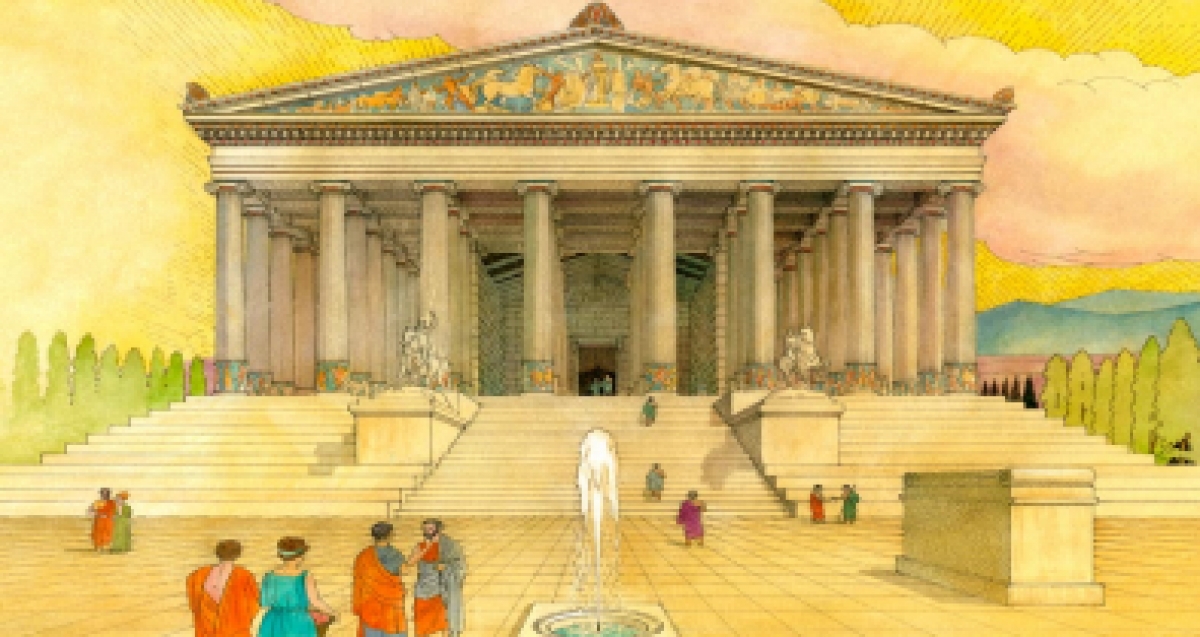
Pagan or Pleasing Worship?
Dear Friend,
In the first century AD, those who worshiped Greek and Roman gods paid no attention to...
Read More
A "Jezebel Spirit"?
Dear Friend,
A Christian women's counselor recently asked me to review her article on the Jezebel s...
Read More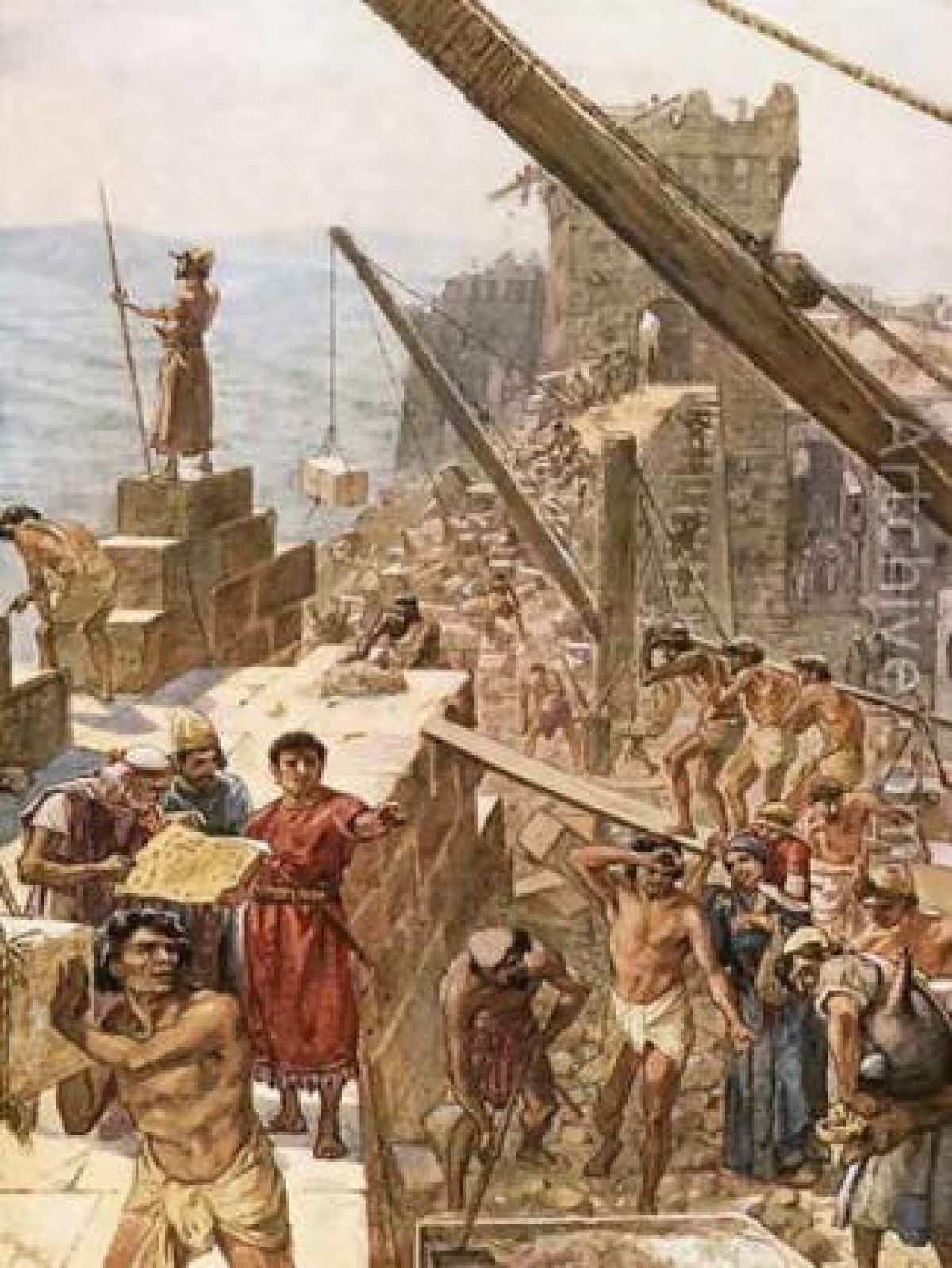
A Very Timely Message
Dear Friend,
Nehemiah 3 has a very modern message hidden in its very ancient story. And a very time...
Read More
A God-Listening Heart
Dear Friend,
When Solomon was coronated as Israel's king, he became the pastor of God's flock. Sudd...
Read More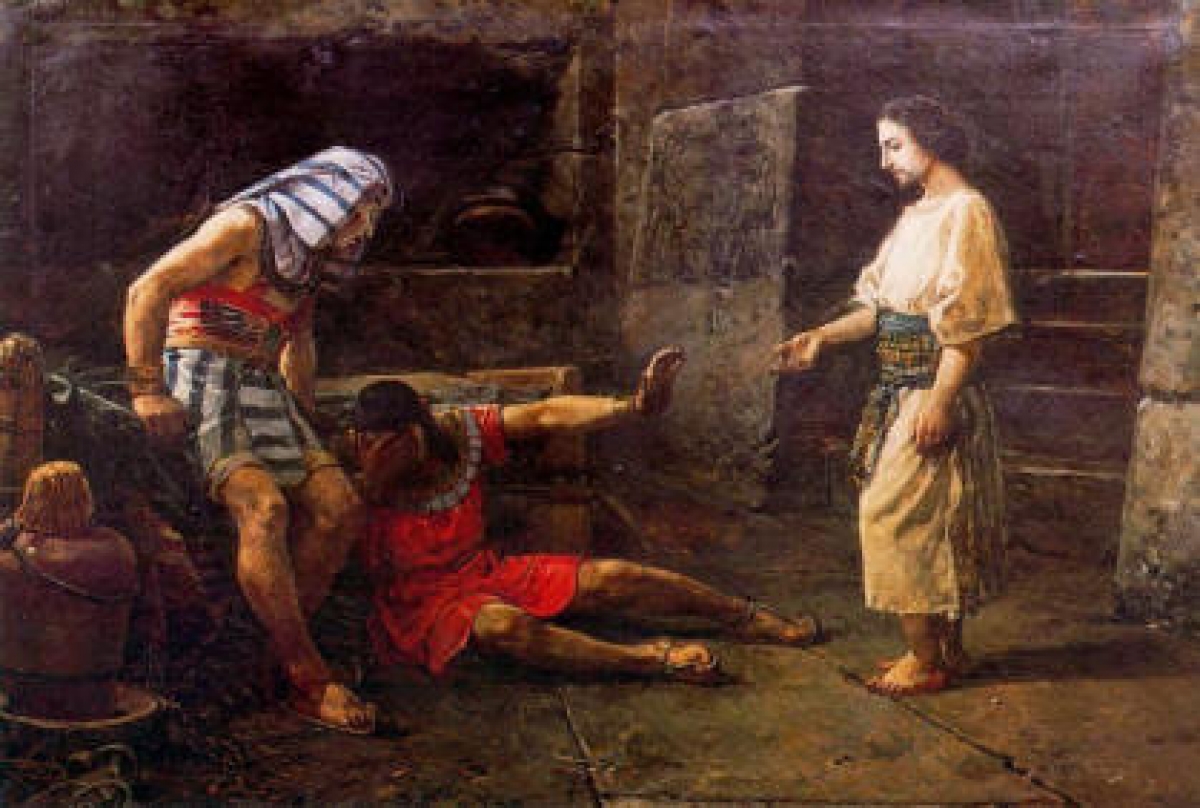
Faithful in The Day of Small Things
Dear Friend,
Joseph was faithful in his fellowship with God and service to Him in a day of small th...
Read More
Coming Up in The World?
Dear Friend,
In years past it was not uncommon to hear someone, when speaking of a person rising in...
Read More
God Abusers!
Dear Friend,
The Lord wants to say something to us - His covenant people, born-again Christians, Sp...
Read More
Are You Fixed to The Rock?
Dear Friend,
Can anything good come from a Bible paraphrase? Being an expositor, I'll tread lightly...
Read More
The Power of Full Consecration
Dear Friend,
After walking on water to save His disciples, Jesus walked on land to heal the afflict...
Read More
The Profile of a Prophet
Dear Friend,
Moses prayed, "Would God that all the Lord's people were prophets, and that the Lord w...
Read More
Don't Send Your Regrets!
Dear Friend,
When a listener exclaimed, "Blessed is he that shall eat bread in the kingdom of God" ...
Read More
The American Pantheon
Dear Friend,
The Pantheon is a remarkably designed, exquisitely beautiful marble temple that was bu...
Read More
About Those Uncomfortable Christmases . . .
Dear Friend,
We all know what an ideal Christmas looks like: family together, good food, gifts and ...
Read More
God's Jewels!
Dear Friend,
The ultimate wordsmith, God searched His unsearchably deep heart for just the right wo...
Read More
Faithful or False Witnesses?
Dear Friend,
Both Old and New Testaments call Christians to be faithful witnesses. "Ye are my witne...
Read More
The Evaluation
Dear Friend,
WARNING: the content of this message may be disturbing. Read at your own risk of havin...
Read More
The Ropemaker
Dear Friend,
Among God's many distinctive names we may add yet another: the Ropemaker. A little his...
Read More
The Mighty Mantle of Messianic Ministry
Dear Friend,
This is a story about a cloak - but no ordinary one. It was worn by a wilderness man o...
Read More
Ministry Assistance Needed!
Dear Friend,
May I present my thesis: Leaders can't lead effectively without assistants assist...
Read More
The End of the God's Permissive Will
Dear Friend,
Don't fool around with sharp knives, or you may be cut. Don't play with fire, or you m...
Read More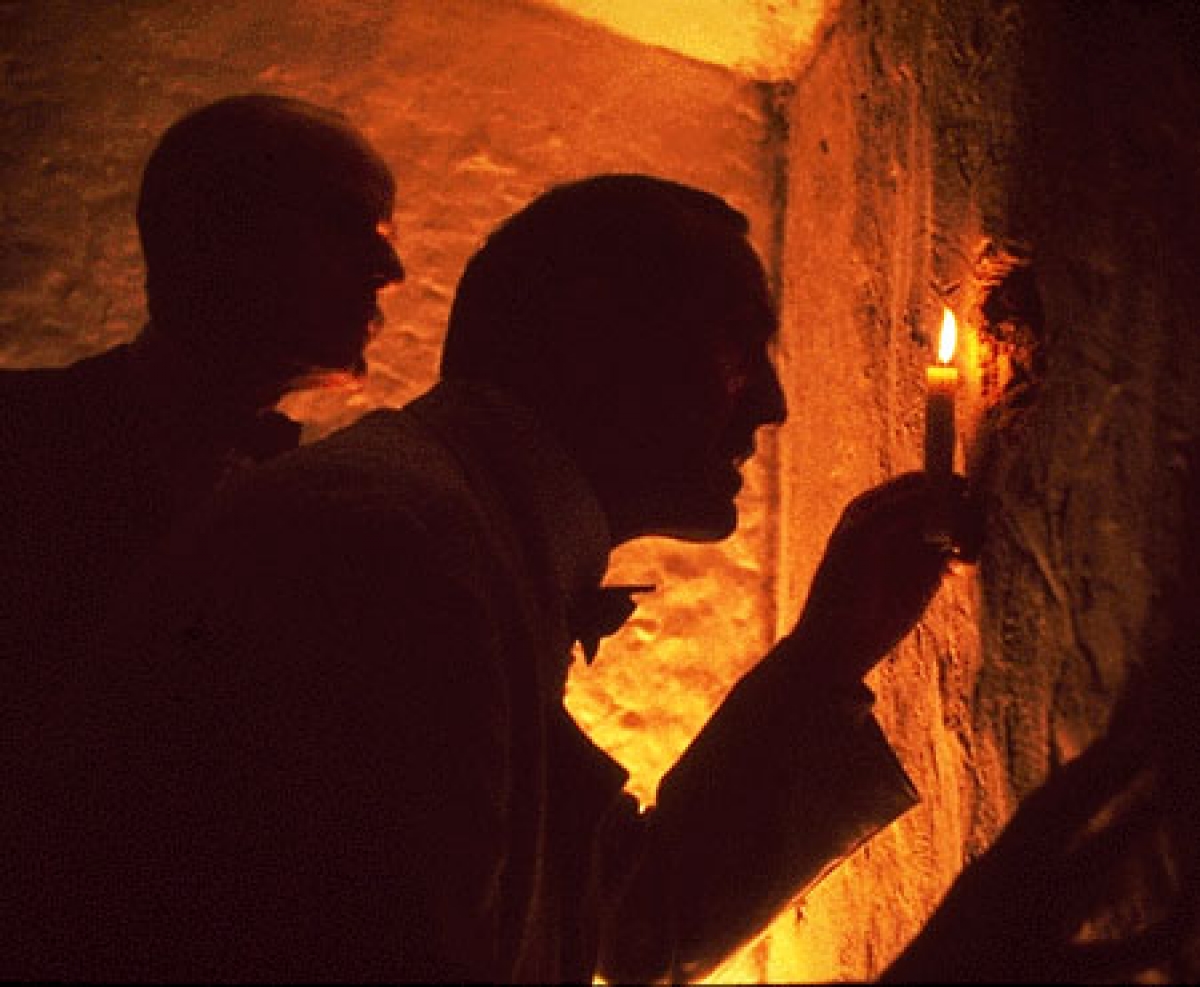
The Illuminator
Dear Friend,
When in 1922 British archaeologist Howard Carter, aided by candlelight, first peered i...
Read More
The Death of Pastoral Expectancy
Dear Friend,
Many a pastor has started out on fire and ended up on ice. How did this happen?Full of...
Read More
Herod In Our Midst
Dear Friend,
As we read the sad story of Herod Antipas' interaction with the brave prophet John the...
Read More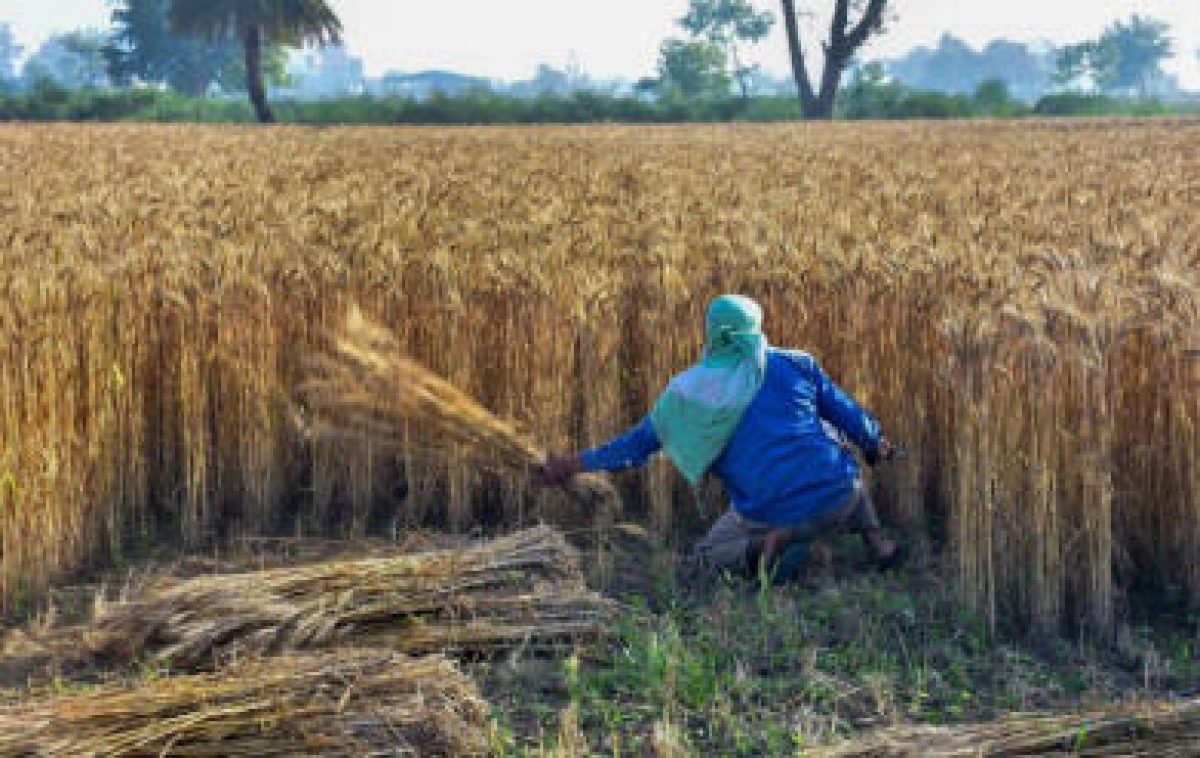
The Fruitful Dead
Dear Friend,
After three years of stunningly fruitful ministry, Jesus told His apostles even more f...
Read More
Ministry to Minitudes
Dear Friend,
We know very well that Jesus frequently ministered to multitudes, hundreds here, thous...
Read More
The Atmosphere of The Miraculous
Dear Friend,
She couldn't have children, never had had children, and never would have children, so ...
Read More
In His Name
Dear Friend,
Sometimes we Christians forget a key fact: We live, move, speak, act, react, and minis...
Read More
The Fire Escape
Dear Friend,
Caught suddenly in a multilevel, burning building, any person of normal awareness and ...
Read More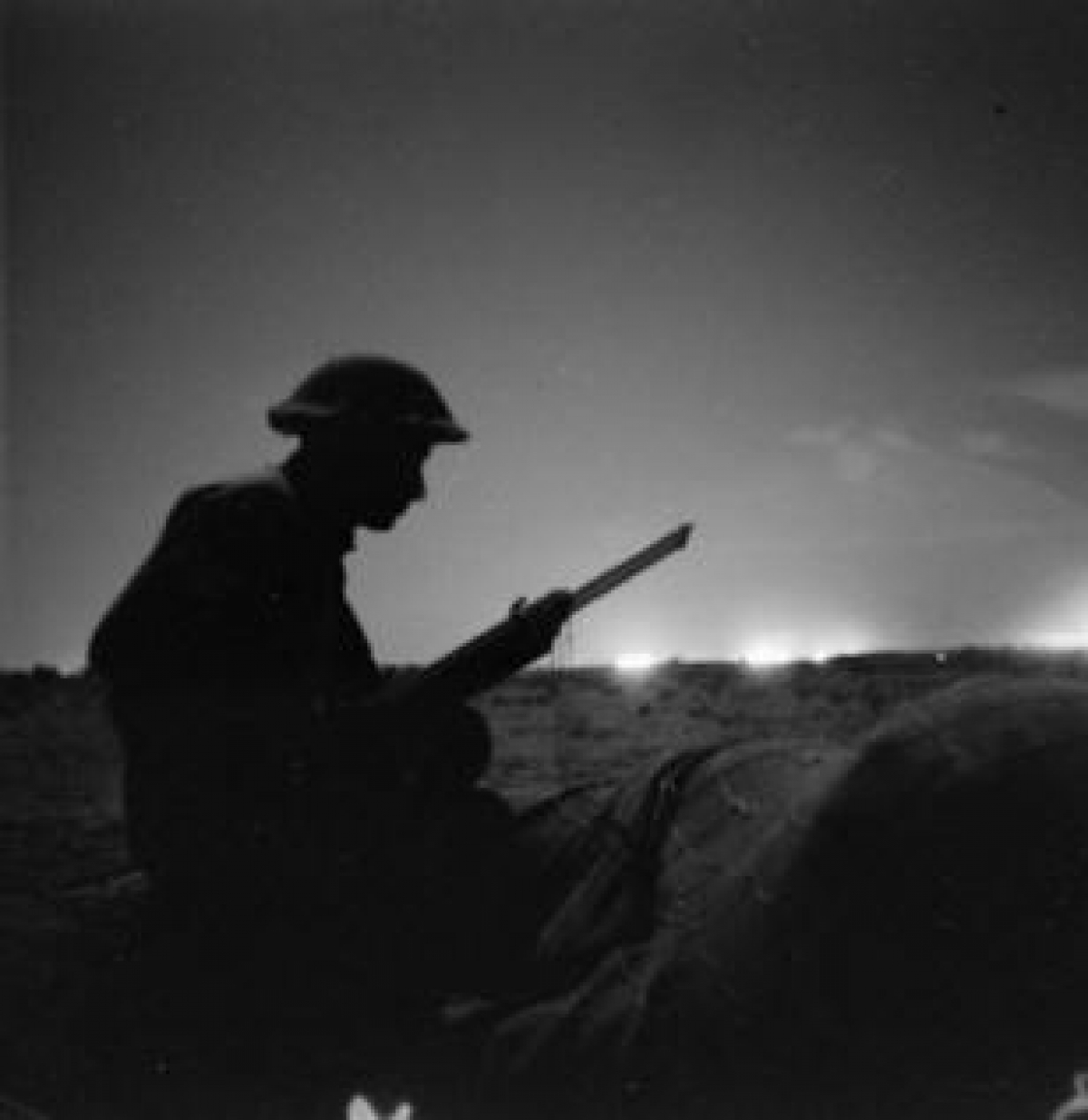
As Sure As The Dawn!
Dear Friend,
The author of Psalm 130 is waiting steadfastly, confidently, intently, and expectantly...
Read More
Treading Power
Dear Friend,
I have two simple questions for you: First, do you have spiritual treading power? Seco...
Read More
Just What He Said!
Dear Friend,
"Now faith is the substance [foundation or 'stand-under'] of things hoped for, the evi...
Read More
Do You Know the Goal?
Dear Friend,
Upon Knowing one's goal is essential to success in war, sports, and spiritual life. Le...
Read More
A Large Lesson for Leaders
Dear Friend,
Upon arriving in Capernaum, Jesus was immediately met by “one of the rulers of the [lo...
Read More
The Somebodies and The Nobodies
Dear Friend,
Two very different needy people anxiously awaited Jesus' arrival by boat in Capernaum ...
Read More
Red Light, Green Light
Dear Friend,
Bear with me, please, while I use a shallow metaphor to convey a deep truth. Following...
Read More
Pastor, Be Loosed!
Dear Friend,
When Jesus delivered a woman long bound by an oppressive "spirit of infirmity," He sho...
Read More
Fools Rush In . . .
Dear Friend,
"Fools rush in where angels fear to tread," goes the adage. And in no area is this tru...
Read More
Amazing New Glasses!
Dear Friend,
The American public has recently developed a serious vision problem. Or, more accurate...
Read More
The Key to Friendship With Jesus
Dear Friend,
In John 15:14, Jesus gave us the key to the amazing, unique wonder of friendship with ...
Read More
Ignorance Is Not Desired!
Dear Friend,
Let it never be said that ignorance is acceptable. It's not, especially in Christians,...
Read More
Creatures of Trust
Dear Friend,
Everything around us in this world operates on trust - reliance on others acting in go...
Read More
Those Special Cases?
Dear Friend,
Pastor, associate pastor, elder, counselor, mentor, missionary, teacher, parent, and e...
Read More
Banning Christian Songs?
Dear Friend,
Recently, evangelical worship police - overzealous polemicists and apologists - have i...
Read More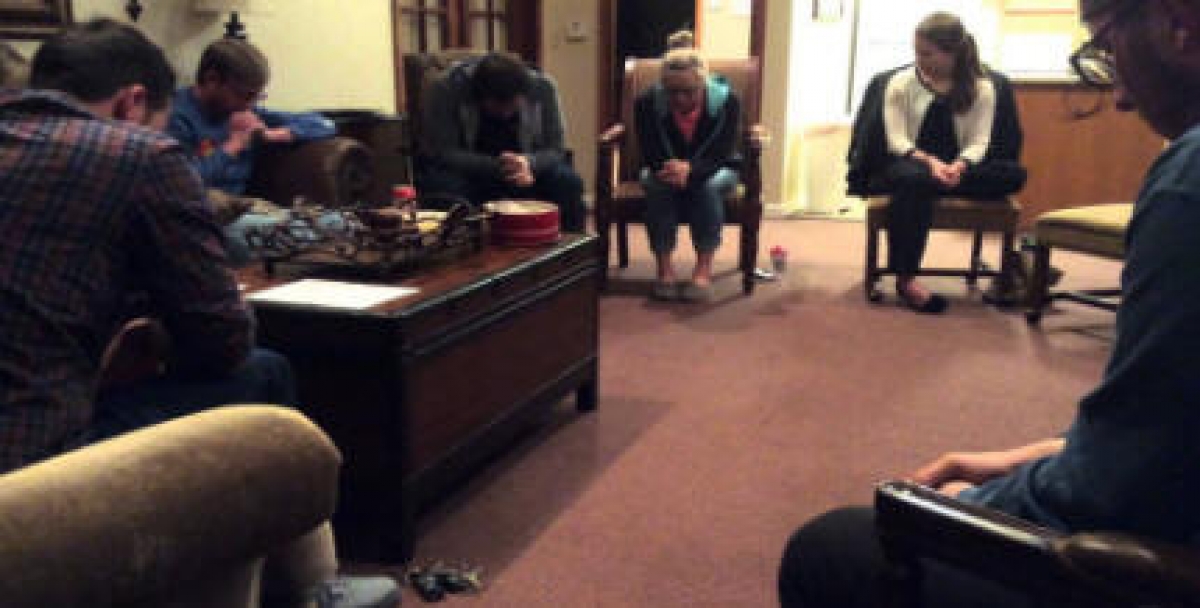
A House of Prayer
Dear Friend,
Jesus cleansed the Jews' temple of religious commercialists and unauthorized trafficke...
Read More
No Jewish Bridegroom Would ...
Dear Friend,
In ancient Jewish wedding customs, during the period of the betrothal (engagement), a ...
Read More
Futile Fruit or Forever Fruit?
Dear Friend,
In Jesus said if He calls us, equips us, anoints us, gifts us, and sends us, we will "...
Read More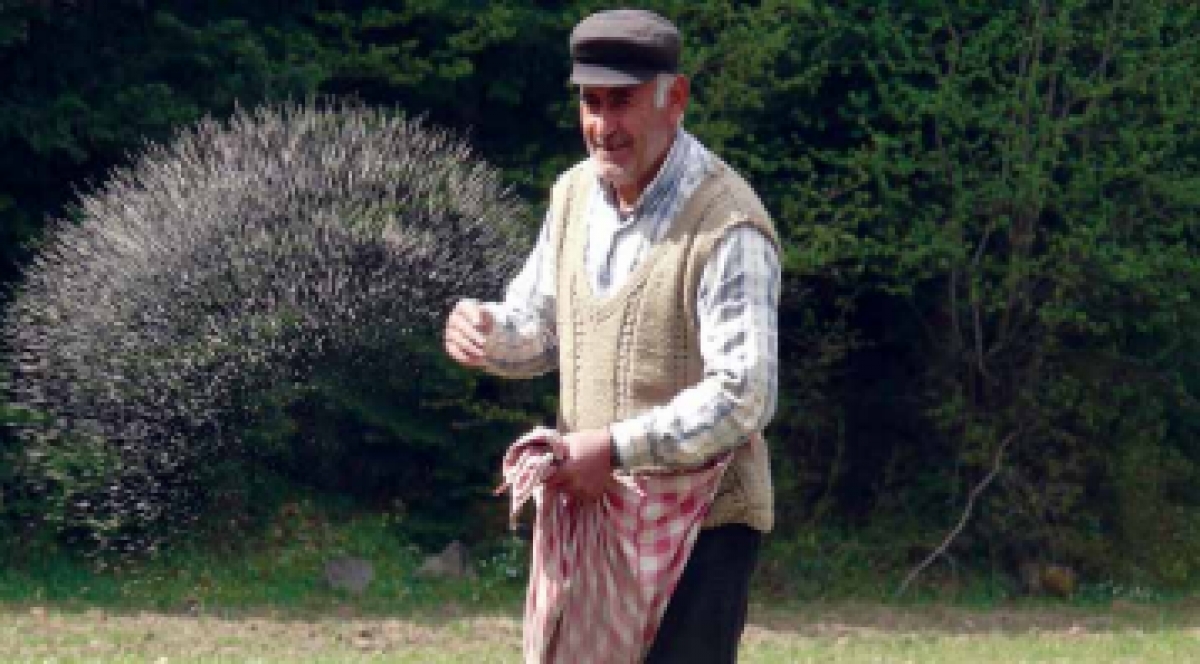
Treasure Seed
Dear Friend,
In His foundational parable of the sower and soil, Jesus said, "The sower soweth the w...
Read More
Real Revival
Dear Friend,
Real revival, the "suddenly ... from heaven" kind (Acts 2:2), is not merely a series o...
Read More
Heroic Prayer
Dear Friend,
The Bible speaks of many kinds of prayer: doubting prayer, selfish prayer, vengeful pr...
Read More
Walking Instructions
Dear Friend,
Our title sounds silly, doesn't it? Everyone knows how to walk. Right?Yes, but every C...
Read More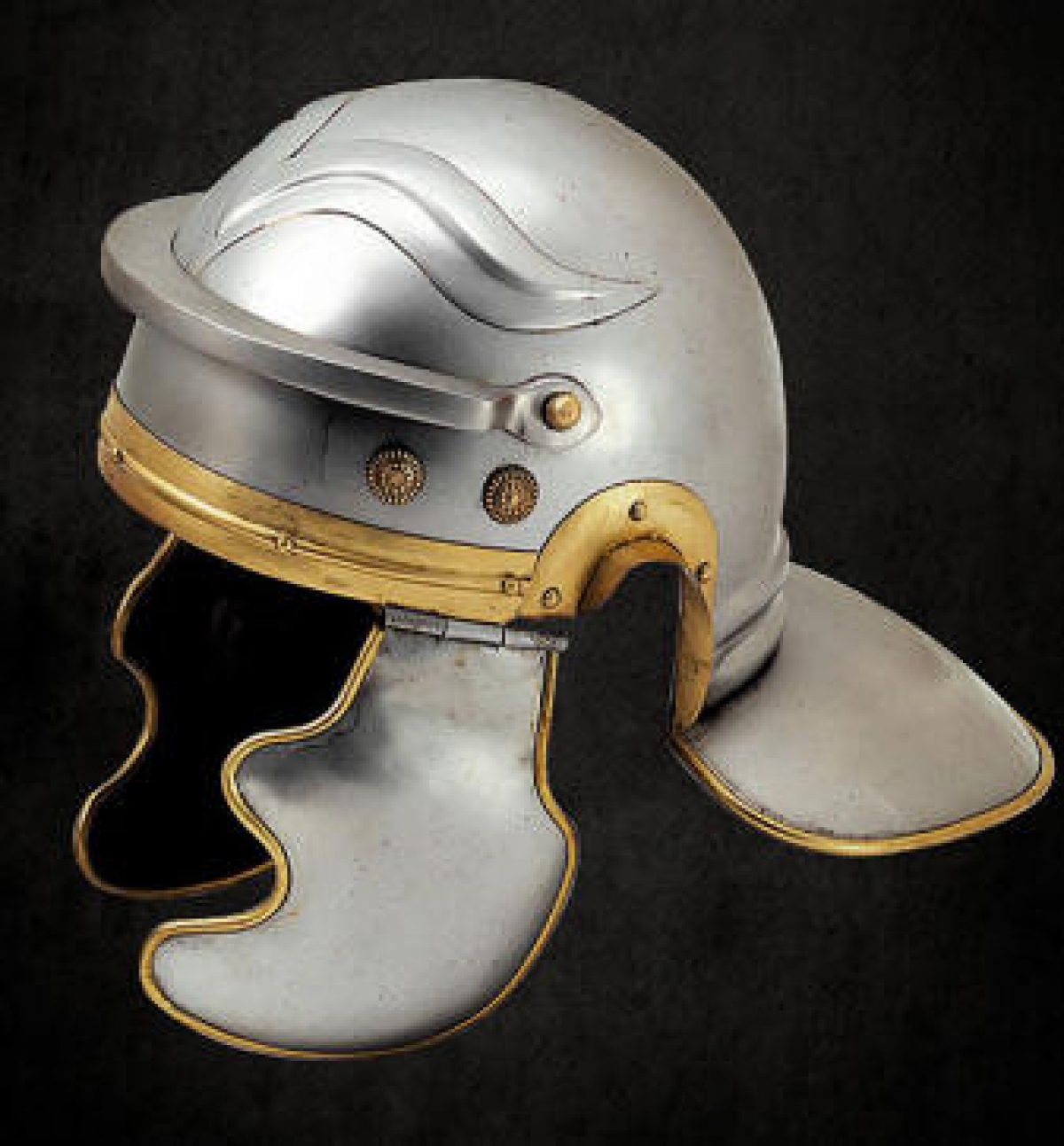
The Head Coverer
Dear Friend,
Much is said today of "coverings," particularly of human authorities being spiritual c...
Read More
God's Immovable Ones
Dear Friend,
Of consistently upright and faithful worshipers, David wrote, "He that doeth these thi...
Read More
Mission Possible!
Dear Friend,
This is a word to all worshipers, especially worship leaders. You will never sele...
Read More
Remembering Our Jewish Roots
Dear Friend,
The more scientific strata of our culture spends much time discussing and debating ori...
Read More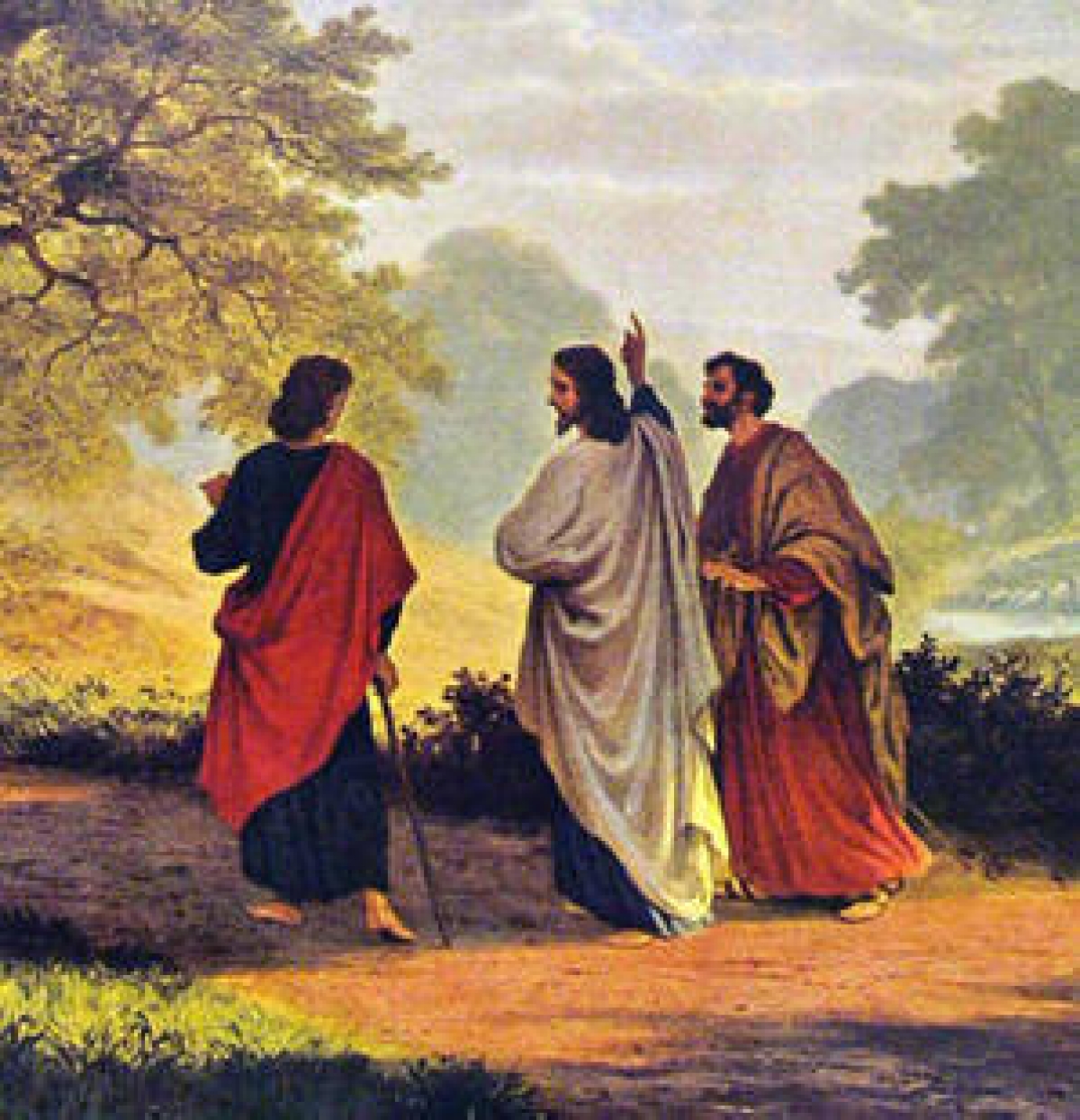
As We Walk, He Talks
Dear Friend,
The Gospels reveal Jesus selected a variety of locations in which to teach His discipl...
Read More
The Door to Abundant Life
Dear Friend,
Study, read, listen, pray, or think as I may, I cannot find any door to the abundant C...
Read More
Little Millenniums, Large Blessings!
Dear Friend,
Every heaven-sent revival - or visitation or move of the Spirit - in this Church Age i...
Read More
Spiritual Water Lovers
Dear Friend,
By leading Israel to victory over Debir, Othniel, who would later become Israel's firs...
Read More
Compassionately Driven
Dear Friend,
Mark 1:41 tells us a leper’s condition and plea “moved” Jesus, or prompted Him to act ...
Read More
Lawyers Needed!
Dear Friend,
Nehemiah was an effective Christian lawyer before his time. Let me explain.Time and ag...
Read More
It's Time to Turn The Page
Dear Friend,
American Christians, it's time for us to turn the page. Why? God has turned His. Let m...
Read More
Shock Treatment!
Dear Friend,
Have you suddenly received unexpected, unwanted news? Well, this, too, is part of God'...
Read More
Outbreaks and Breakthroughs
Dear Friend,
There is a clear connection between spiritual breakthroughs and outbreaks of spiritual...
Read More
A Simple Solution
My Dear Friend,
Five times Jesus corrected, and in a sense insulted, Jewish Old Testament scholars ...
Read More
Blessed - Then Immediately Disobedient!
My Dear Friend,
Mark 1:40-45 is a shocker. It tells us that after Christ healed a man of leprosy - ...
Read More
Unoffendable, Undisturbable, Undefeatable !
My Dear Friend,
Every Christian, if trusting, obedient, and persistent, can grow to become a master...
Read More
Lust Blindness
My Dear Friend,
There are many different kinds of blindness: total blindness, color blindness, snow...
Read More
Survival Supplies?
My Dear Friend,
Ever foreseeing, faithful, and gracious, our Lord Jesus Christ did not leave His ch...
Read More
Hoping or Knowing?
My Dear Friend,
When Elijah put his face between his knees and prayed persistently for a drought-bu...
Read More
Family Trouble?
My Dear Friend,
Got family trouble? Go have a talk with Jesus. He knows all about it. When His mini...
Read More
The Courageous and The Cowardly
My Dear Friend,
A cowardly Christian and a courageous Christian both stood at the same crossroads. ...
Read More
Not Getting Your Way?
My Dear Friend,
My fellow Christian, are you not getting your way? Hmm... Perhaps there's a divine ...
Read More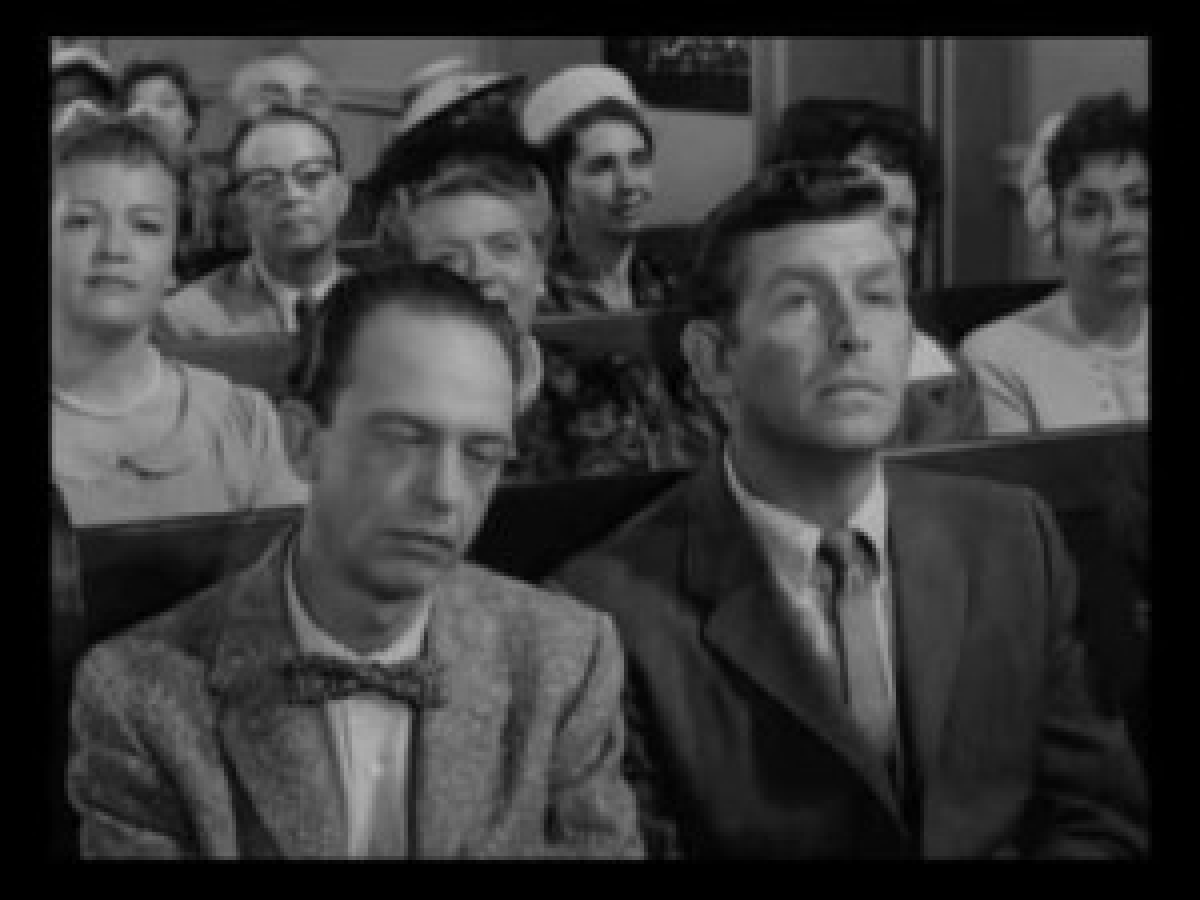
Spiritual Inattentiveness
My Dear Friend,
Mark tells us that from His seaside pulpit - a small fishing boat - Jesus "taught t...
Read More
Using Up the Clock
My Dear Friend,
(NOTICE: I usually don't delve into political issues; this piece is an exception in...
Read More
Special Treatment?
My Dear Friend,
It is reported by some that ministers receive special treatment. This is true.If tr...
Read More
The Last Word
My Dear Friend,
On our journey through life we meet an array of religious and social issues on whic...
Read More
A Faithful Witness
My Dear Friend,
In a prophetic vision, the apostle John saw, heard, and thus personally witnessed, ...
Read More
Destiny-Determining Decisions
My Dear Friend,
In my good friend John Shiver's wonderful book, Discoveries in Ministry, ...
Read More
Devotion Plus Discipline = Daniel!
My Dear Friend,
Daniel was a man of extraordinary devotion and discipline. His heart was wholly aba...
Read More
Reward Yourself!
My Dear Friend,
David taught that obedience to God's Word brings us significant rewards: "In keepin...
Read More
A Word of Guidance
My Dear Friend,
In his excellent book, Discoveries in Ministry, my spiritually wise friend, Dr...
Read More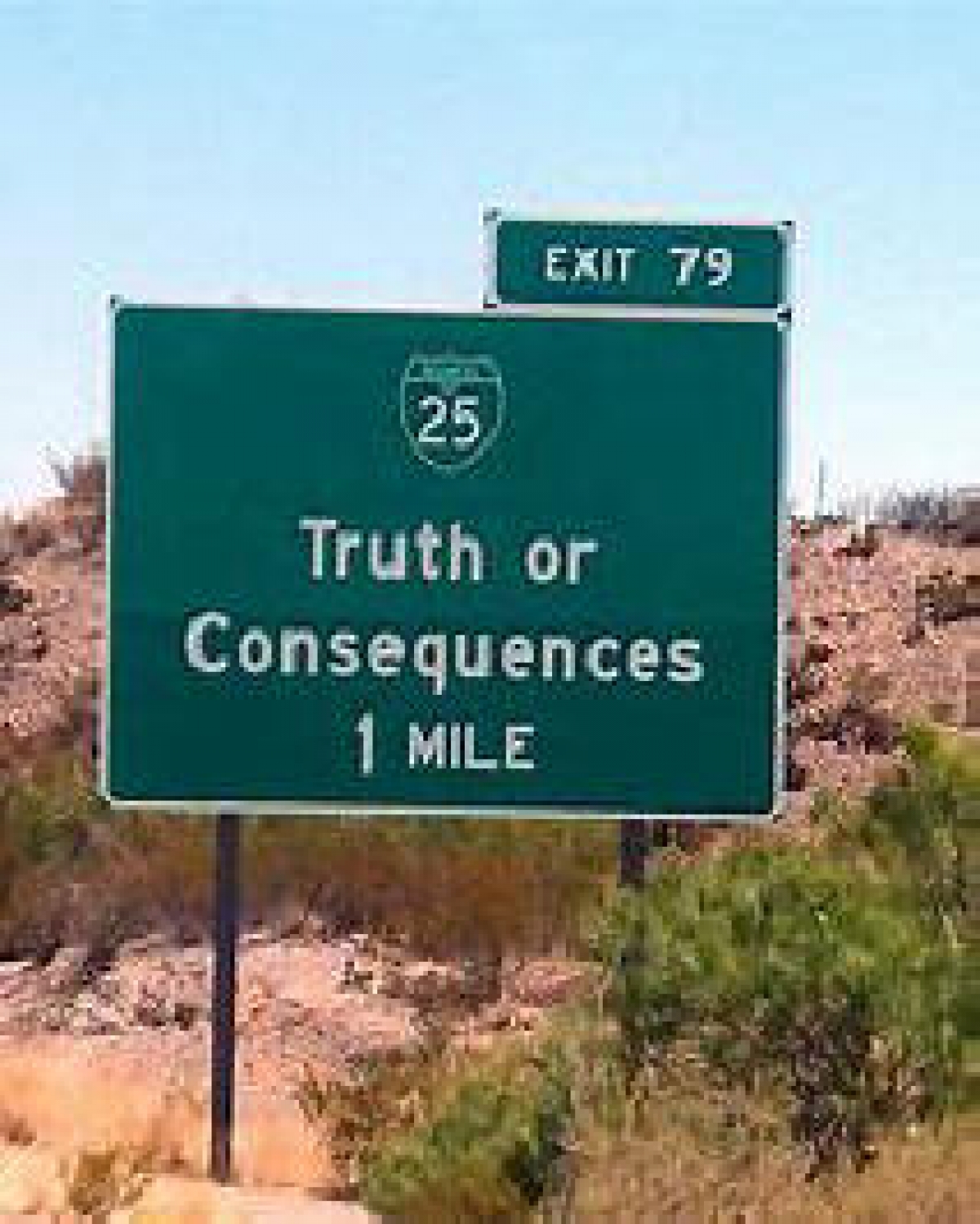
Truth or Consequences?
My Dear Friend,
Early in my writing ministry I received a God-lesson I never forgot. I don't want y...
Read MoreSolomon Says
My Dear Friend,
Solomon said, "The memory of the just is blessed, but the name of the wicked shall ...
Read More
Launch Day!
My Dear Friend,
Mark 1:21-38 describes "launch day," the first twenty-four hours of Jesus' ministry...
Read More
New Life, New Way
My Dear Friend,
Many Christians confuse the new birth that saves us with the new way that transform...
Read More
Not "If" But "When"
My Dear Friend,
Being In His most basic parable, The Sower and The Soils (Mark 4:1-20), Jesus laid ...
Read More
They Are Written!
My Dear Friend,
Being appreciated for who we are and what we do is a very precious thing. Whether w...
Read More
To The Lonely
My Dear Friend, God has a cure for every wound, even loneliness. As Jesus informed Paul, “My gr...
Read MoreFinishing Well: In God's Word!
My Dear Friend, As the Psalmist ran the race of life, he was focused on the finish line and det...
Read MoreHe Being Dead Yet Speaketh
My Dear Friend, Billy Graham is gone but his words are not. And they are more timely than ever!...
Read MorePrinces of The Pit
My Dear Friend, Strangely, yet undeniably, God uses "horrible pits" to raise honorable princes ...
Read MoreThe Word Snatcher
My Dear Friend, In His most fundamental parable of the Sower and the Soil, Jesus warned us when...
Read MoreAs We Return to Our Churches . . .
My Dear Friend, Stay-at-home orders are being rolled back across America and Christians are beg...
Read MoreIn Fearful Times . . .
My Dear Friend, Our devotional theme today is simple: let us not succumb to fear in fearful tim...
Read MoreWhen God Is On The Move!
My Dear Friend, When God was on the move, intervening to bring Israel out of Egypt, His people ...
Read MoreFlow River, Flow!
My Dear Friend, In the sixth century BC, God gave the prophet Ezekiel a special vision of a spe...
Read MoreInescapable!
My Dear Friend, Inescapable" best describes the situation of those who try to hide their sins f...
Read MoreThe Rock Yard and The Winepress
My Dear Friend, Every born-again Christian is given the Spirit-induced desire to glorify God an...
Read MoreSpiritual Amputation
My Dear Friend, Spiritual Amputation? O what a hard subject! But our Master taught there are ti...
Read MoreMajor Repairs Underway
My Dear Friend, As the present COVID-19 crisis continues, our minds are turning naturally to th...
Read MoreAnother Trek, Another Test, Another Triumph!
My Dear Friend, Our title expresses what the author of Psalm 84 had in mind: his annual trek to...
Read MoreOne More Confident Sheep!
My Dear Friend, His heart stirred with profound gratitude, David wrote, "The Lord is my Shepher...
Read MoreA Sure Cure
My Dear Friend, For weeks our government has instructed us how to respond to the Coronavirus pa...
Read MoreThe UN is Coming!
My Dear Friend, Soon an UNforeseen awakening will visit our largely UNspiritual churches. Upon ...
Read MoreSing - And He Will Sing to You
My Dear Friend, Our title sums up the great lesson hidden in Zephaniah 3:14 and 17. There God u...
Read MoreGod's Intensive Personal Care
My Dear Friend, Are you a remnant believer currently experiencing great distress? If so, prepar...
Read MoreThe Joy of Committed Disciples!
My Dear Friend, What a blessing it is when committed disciples join your church! Every Christia...
Read MoreGrace, Grit, Growth, Glory
My Dear Friend, Grace, grit, growth, glory - these terms describe adequately, if briefly, the C...
Read MoreThe Progression of Persevering Prayer
My Dear Friend, After being born again by repentance and childlike faith in Jesus, we're sudden...
Read MoreA Perfect Encouragement!
My Dear Friend, In Psalm 18, David penned two closely related truths we need to carefully exami...
Read MoreThe Connection
My Dear Friend,
In recent meetings, I have heard several dear Christian leaders making statements t...
Read MoreRewarded by Works or Grace
My Fellow Christian,
Five hundred years ago, Reformers struggled to establish the doctrine of salva...
Read MoreNever Before in Human History !
My Dear Friend,
Never before in human history had there been such a thing. A flood covering the ent...
Read More1 Thessalonians - The Rapture Epistle
My Dear Friend,
Among New Testament epistles, 1 Thessalonians stands out for its unique focus on th...
Read MoreThe Greatest Challenge!
My Dear Friend,
Of this truism there is little doubt: the Christian's greatest challenge is to live...
Read MoreThe Promotable Life
My Dear Friend,
Are you a promotable Christian? That is, one who is prepared, ready, or worthy to b...
Read MoreThe Vision
My Dear Friend,
Before a vision of God's purpose may be believed and followed, it must first be cas...
Read MoreA Corrective Word About Prophets
My fellow Christian,
"The Lord God does nothing without revealing his secret to his servants the pr...
Read MoreTo "Feel in the Heart"
My Dear Friend,
Some think that Christian worship should involve our human emotions. Others do not,...
Read MoreOur Christ Worth
My Dear Friend,
In this utterly materialistic world, we are evaluated and rated, consciously or unc...
Read MoreAbout Self-Pity
My fellow Christian,
Overwhelmed and undone by the terrible adversities God poured upon him to test...
Read MoreWondering at a Wonderful Wonder!
My Dear Friend,
One of the most miraculous episodes in the Old Testament is described in 1 Samuel 1...
Read MoreAbout Ruling & Reigning With Christ
My fellow Christian,
Christians are often taught by well-meaning ministers that we will all rule wi...
Read MoreThe Blessing, The Blessed, The Unblessed
My Dear Friend,
Across the centuries of sacred history, Psalm 134 is calling us. It's summons? Bles...
Read MoreWeak Links
My Dear Friend,
Satan's assaults on God's people are not imaginary. They are real, constant, destru...
Read MorePressurized Christians
My Dear Friend,
We all admire spiritually strong leaders. They are thick-skinned, durable, indefati...
Read MoreSubstance or Show?
My Dear Friend,
For a long time now, too many American churches have used sophisticated advertising...
Read MoreThe Case for Meekness
My Dear Friend,
The Holy Spirit showed Solomon there are six things God hates, the first being "a p...
Read MoreWhen Leaders Get It Wrong!
My Dear Friend,
May I share with you something that has recently weighed heavily on my heart?
I am...
Read MoreCrying Out for His Coming
My Dear Friend,
Revelation 22 is the last Word on God's Word. It closes the Book of Revelation, the...
Read MoreUnalarmable!
My Dear Friend,
Recently, my devotional reading took me to 1 Peter 4:18. There Peter prophesied som...
Read MoreThe Paradox of Works
My Dear Friend,
A paradox is something that sounds as if it cannot be true, yet it is. The Bible's ...
Read MoreA Message to The Married
My Dear Friend,
In the degree program section of its University Catalogue, Family Law University (F...
Read MoreThe Greatest Praise and Worship
My Dear Friend,
Do you know what the greatest praise and worship is in God's eyes? That which gives...
Read MoreA Note to Noteaholics
My Dear Friend,
After years of trying to hide this from the Christian public, I must now come clean...
Read MoreThe Moses Principle
My Dear Friend,
Being omniscient, God immediately sensed Moses was overwhelmed at the commission He...
Read MoreWhere Are All His Miracles?
My Dear Friend,
Deeply disappointed by many years of not seeing God's direct intervention in Israel...
Read MoreA Major Correction
My Dear Friend,
A major correction is coming to the church as we move toward the time of the transl...
Read MorePetrine Eschatology
My Dear Friend,
Petrine eschatology, or Peter's view of the last things, is, when read thoughtfully...
Read MoreHe Went His Way
My Dear Friend,
As Luke's Gospel tells it, Jesus' ministry got off to a bad start. In fact, it almo...
Read MoreLet's Get Little!
My Dear Friend,
When he first met Jesus, Paul's name was "Saul," meaning "asked for, sought after."...
Read MoreFrom Pledge to Polemicist
The young, popular high schooler had no clue what he was getting into. All Greg Hinnant wanted to do...
Read More2025 - The Year of The Altar
My Dear Friend,
May I share what I believe the Holy Spirit is saying to the churches in 2025? It is...
Read MoreThe Highest Ministry
My Dear Friend,
Contrary to popular Christian opinion, the highest ministry - or most spiritual, el...
Read MoreNow About Communion . . .
My Dear Friend,
A multifaceted Sacrament, Holy Communion, or the Lord's Supper, is: central, contro...
Read MoreAre Your Rivers Flowing?
My Dear Friend,
In John 7:37-38, Jesus gave us this amazing promise: "If any man thirst, let him co...
Read MoreAre You Correctable?
My Dear Friend,
May I tell you about a key New Testament minister who, though already fervent, scho...
Read MoreThe Greatest Test
My Dear Friend,
What is the truest measure of being a real Christian? What is the surest evidence b...
Read MoreBaggage Check, Please . . .
My Dear Friend,
Are you, a friend, or a family member considering marrying or remarrying? If so, th...
Read MoreThe Insignificance of Human Insignificance
My Dear Friend,
When in the lowest season of his life Gideon was suddenly told by an angel he was d...
Read MoreA Prayer for Bible Students
My Dear Friend,
Sometimes in our zeal to discover more new, details about biblical events, authors,...
Read MoreA Prophetic Word . . .
My Dear Friend,
I will refrain from prefacing this message with "Thus saith the Lord," but I do bel...
Read MoreA Dynamic Divine Message
My Dear Friend,
For years, John the Baptist lived alone in the desolate Judean wilderness in deep, ...
Read More"Cast" Sheep
My Dear Friend,
In Phillip Keller's classic book, A Shepherd Looks at Psalm 23, he describes a "cas...
Read MoreWhat is a Pure Heart?
My Dear Friend,
Jesus declared, "Blessed are the pure in heart," and added the promise, "for they s...
Read MoreRapture Terminology 101
My Dear Friend,
The translation of the church, or rapture, is the sudden catching away of tested, s...
Read MoreHis Deep Leading
My Dear Friend,
He led them through the depths," says Psalm 106:9, speaking of the way God chose to...
Read MoreSeeing Through the Present
My Dear Friend,
This is a wonderful yet dangerous and potentially confusing moment for Christians. ...
Read MoreTo Church Leaders
My Dear Friend,
In the beginning, church leaders ordained those they felt Jesus had called and gift...
Read MoreA Commitment or New Birth?
My Dear friend,
Here is a New Testament news flash: being saved is not a "commitment." Yes, you rea...
Read MoreNo Matter How Fiercely Opposed
My Dear friend,
An oft-seen biblical pattern is this: God always accomplishes His sovereign will an...
Read MoreThe "Let's Play God" Game
My Dear Friend,
You have surely heard it said, "Don't try to play God!" But have you ever wondered ...
Read MoreThe Preaching He Bids Us
My Dear Friend,
Miraculously rescued, freshly revived, and newly recommissioned, Jonah perceived Go...
Read MoreItinerant Incessant Intercessors
My Dear Friend,
Prayer is a primary Christian discipline and teaching topic. All believers have tak...
Read MoreChurch Growth God's Way
My Dear Friend,
If honest, pastors everywhere will admit they desire to see their churches grow. Or...
Read MoreReligiousness vs. Realism
My Dear Friend,
For centuries many Christians have been drawn to religiousness, while others were b...
Read MoreUnity, Tribalism, What's Next?
My Dear Friend,
Truth gets around. And here's some timely truth: “Every house divided a...
Read MoreChristian Reprogramming
My Dear Friend,
"Be ye transformed by the renewing of your mind," wrote Paul in Romans 12:2. If he ...
Read MoreGod's River-Powered Plan
My Dear Friend,
The Bible reveals God has a plan to take us from here to glory, earth to heaven, an...
Read MoreThe Undisciplined Christian
My Dear Friend,
One of the most unrecognized causes of trouble in Christians' lives and churches is...
Read MoreA Biblical Prophecy - Re-Prophesied!
My Dear Friend,
Inspired by the inerrant, divine, Spirit of prophecy, an unnamed Jewish prophet iss...
Read MoreAn Inside Job . . .
My Dear Friend,
In a key revelatory moment, God told Samuel, "The Lord doesn't see things the way y...
Read MoreAbout Materialism
My Dear Friend,
Materialism has two meanings. First, it is the philosophical theory that only mater...
Read MoreWords From The Wilderness
My Dear Friend,
Just before Jesus arrived, God spoke to His people through another man. A different...
Read MoreLadies & Lords?
My Dear Friend,
Whenever a man presumes to speak a word of correction to ladies, he is on thin ice....
Read MoreWalking The Walk
My Dear Friend,
In the beginning God came down every afternoon to walk with Adam and Eve in the gar...
Read MoreThe Spiritually Fruitful Life
My Dear Friend,
In John 15:2, Jesus frankly described the true nature of the spiritually fruitful l...
Read MoreSatan's Biggest Weapon
My Dear Friend,
Satan's most powerful weapon is not a guided missile, million-man army, nuclear att...
Read MoreA Verse For Life
My Dear Friend,
Many Christians own flip calendars inscribed with an inspirational Bible verse for ...
Read MoreTattooing Tattooing
My Dear Friend,
In recent decades tattoos have been trending. Now many Christians are getting tatto...
Read MoreDelighting or Disappointing The Lord?
My Dear Friend,
I am sure this piece, which is addressed solely to Christians, is timely. I also ho...
Read MoreJust-Barely Moments
My Dear Friend,
The Scriptures and life confirm that God loves last-minute deliverances! Time and a...
Read MoreA Missionary Moment
My Dear Friend,
Has God called you to personally share the gospel in foreign fields? If so, go! And...
Read MoreCancelling Our God-Cancelling Traditions
My Dear Friend,
Our culture is reeling from the newest new thing: the idiocy of cancel culture. But...
Read MoreThe First Word of The Gospel
My Dear Friend,
If asked, "What was the first word of the true, original gospel?" most Christians w...
Read MoreOne Thing I Know!
My Dear Friend,
While being pitilessly grilled over his healing by corrupt religious leaders bent o...
Read MoreSo Your Pastor Doesn't Work?
My Dear Friend,
As we quietly and unceremoniously pass through this sad, dark world, many people wo...
Read MoreThe Time is Coming . . .
My Dear Friend,
For several decades now, the American church has been in spiritual decline because ...
Read MoreThe Fountain Maker
My Dear Friend,
It happened suddenly, and in the most unlikely place, a fruitless, hot, dry, dead, ...
Read MoreThe Clinging Christian
My Dear Friend,
Barnabas wisely exhorted the new converts at Antioch "that with purpose of heart" t...
Read MoreThe Perfectly Guided Perfectly Blind
My Dear Friend,
In Mark 8:22-26, a perfectly blind man met a perfect Guide and followed His instruc...
Read MoreThe Remembrancer
My Dear Friend,
When 4,000 Gentiles who had been with Jesus three days ran out of food, the discipl...
Read MoreForgetting Forgetfulness
My Dear Friend,
Long ago and far away, hidden in the dusty pages of our Bible, an ancient Jewish sc...
Read MoreA Disappointed Generation
My Dear Friend,
Not long ago, I lunched with a minister friend from a nearby city. He knew I teach ...
Read MoreThe Holy Trinity
My Dear Friend,
The Holy Trinity is an acknowledged mystery in that no human mind, however brillian...
Read MoreDr. Insanity - and The Rest of The Revival Story
My Dear Friend,
As many do, I believe the Scripture and Spirit are telling us an awesome, sovereign...
Read MoreIn The Crusher !
My Dear Friend,
In Psalm 12, David recorded his urgent visceral cry for rescue: "Help, Lord" (Psalm...
Read MoreThe Justice Test
My Dear Friend,
True justice is truly apolitical, and any form of justice that is political is trul...
Read MoreManna is Still Falling !
My Dear Friend,
After being freed from bitter bondage to Pharaoh, the children of Israel received a...
Read MoreThe Sabbath
In Genesis 2:2-3, God blessed the 7th day and sanctified it as holy because on that day He rested fr...
Read MoreOur Present Perfect Planner
My Dear Friend,
Are you anxiously planning your future? Are you confused, troubled, unsure, unsettl...
Read MoreGo to Church!
My Dear Friend,
My not-so-subtle title gives away my theme. Yes, I am saying believers should atten...
Read More"Better Than Ten"
My Dear Friend,
Hannah's story is well known (1 Samuel 1:1-18). Barren Hannah envied her female riv...
Read MoreThe Gossip Truth !
My Dear Friend,
As God would have it, people who habitually indulge in gossip - untruths, half-trut...
Read MoreThe Eternal Energy Exchange
My Dear Friend,
Quiet time spent absolutely alone at Jesus' feet, giving thanks, worshiping, and me...
Read MoreA Feel-Good Message
My Dear Friend,
To feel good or to be good? that is the question! And it is on ever...
Read MoreA Very Unlikely Miracle Worker!
My Dear Friend,
When Jesus arrived at Bethany, everyone was in a low condition. Very lo...
Read MoreAll-Weather Christians
My Dear Friend,
One Sunday morning not long ago, it rained rather heavily. As a resul...
Read MoreGod's Incarnate Answers
My Dear Friend,
We often, and understandably, pray, "Lord, please give me an answer to pray...
Read MoreWhen Jesus Walks In - And Stays!
Dear Friend,
Uncannily, yet just as God would have it, the 1970 Asbury College awakening and this 2...
Read MoreRevivalolatry
Dear Friend,
Recent extended, extraordinary encounters of God's presence at Asbury Seminary in ...
Read MoreAgainst Perfectionist Pastors?
Dear Friend,
We often hear well-intended criticism of perfectionists. These complaints usually desc...
Read MoreA Do-Nothing God?
Dear Friend,
Surprisingly, God's prophet spoke God's Word prophesying God's coming judgment on God'...
Read MoreMission Accomplished!
Dear Friend,
I believe in missions, support several missionaries, and consider it my distinct privi...
Read MoreMoving-In Day
Dear Friend,
The long-awaited day finally came. Scripture carefully notes the triumphant moment whe...
Read MoreDoctor-Pastors
Dear Friend,
We typically distinguish between ministers and physicians, seeing them as two separate...
Read MoreThe Real Christmas Gifts
Dear Friend,
While some Christians do not observe Christmas, others enjoy giving and receiving Chri...
Read MoreThe WONDERS of Importunity
Dear Friend,
When suddenly thrust into grave danger with no apparent way out, the Jerusalem church ...
Read MoreFuneral Services To Be Held
Dear Friend,
This is a call to attend a funeral. But not an ordinary one.There will be no flowers o...
Read More"Take These Things From Here!"
Dear Friend,
Attention! This is a negative piece, a critique of church practice, and I realize I m...
Read MoreDon't Get Passed By!
Dear Friend,
As sweet and inspiring as it is, our walk with Christ has some unusual, even strange, ...
Read MoreAre You At Home?
Dear Friend,
We often hear this question posed, almost always speaking of our natural homes, or phy...
Read MoreFor An Audience of One
Dear Friend,
In the fall of 1973, I enrolled at Appalachian State University in Boone, North ...
Read MoreGod's Secret Service
Dear Friend,
One of our nation's most valued agencies is the Secret Service. It is a division of th...
Read MoreGreat Trouble, Great Fruitfulness
Dear Friend,
A powerful lesson is hidden in Isaiah 26-27. Let's uncover it.Isaiah 26-27 are part of...
Read MoreLet God Be God
Dear Friend,
In the simple, short phrase, "Let God be God," lies the wisdom of the ages. Then let's...
Read MoreDeath, or Growth, By Congregation
Dear Friend,
A recent chat with a pastor reminded me of a rather unpleasant fact: churches can make...
Read MoreWinning Water Wars
Dear Friend,
Referring to the relentless and contentious quest for water in the arid plains of the ...
Read MoreSeeing The Invisible Individual
Dear Friend,
A devilish, divisive, destructive force has been unleashed among us and, for the prese...
Read MoreHow Good! How Pleasant!
Dear Friend,
"How good! How pleasant!" - says the psalmist of God's commanded blessing. And his ent...
Read MoreEvery Valley A Fountain
Dear Friend,
In the promised land, unlike Egypt, there were fountains of living (fresh, free-flowin...
Read MoreFeeling "Clingy"?
Dear Friend,
David was the first in a long line of spiritual clingers. Listen to the testimony of h...
Read MoreIt's Time for This Baptism
Dear Friend,
Many Christians today are trying to get by on one work of grace when the first church ...
Read MoreIs God's Love Truly Unconditional?
Dear Friend,
A concern has been gestating in my soul for some time now and I simply must birth it. ...
Read MoreThe Holy Spirit Zone
Dear Friend,
A zone is an area or region distinguished from its surroundings by some distinctive fe...
Read MoreHandling Stress
Dear Friend,
In Mark 6:30-32, Jesus addressed a subject that is discussed often in our day: stress!...
Read MoreThe Archers and The Plowmen
Dear Friend,
Genesis 49 and Psalm 129 have an important message for Christians who are being repeat...
Read MoreOpen Wide!
Dear Friend,
Just after saving Israel from Egypt, God had a word for His people: "Open thy mouth wi...
Read MoreThe Unrecognized Christ
Dear Friend,
Before Jesus' First Advent, the Jews were looking earnestly for a Messiah. But not the...
Read MoreFrom Best Friend to Better Friend
Dear Friend,
Psalm 41 records David's grief over the shocking betrayal of his best friend, Ahithoph...
Read MoreLittle Trifles and Large Trusts
Dear Friend,
Faithfulness is a key character trait of every Christian who is prepared for Christ's ...
Read MoreThe Numbers Racket
Dear Friend,
The numbers racket, or numbers game, is a form of gambling in which a bettor tries to ...
Read MoreLeadership or Followship?
Dear Friend,
There is a vast difference between leadership and "followship." Let's examine it.Leade...
Read MorePro Life And Pro Choice
Dear Friend,
I want to announce publicly today that I am pro life and pro choice. Yes, that's right...
Read MoreKeep Harping!
Dear Friend,
Psalm 137 describes Jewish captives in Babylon who had been defeated in more ways than...
Read MoreFlowing in Jesus
Dear Friend,
In its essence, Christianity is a supernatural flow of divinely empowered life, a rive...
Read MoreThe Surpassing Importance of Testing
Dear Friend,
The church today has two halves, evangelical and Charismatic / Pentecostal, with one e...
Read MoreBe The Real Deal
Dear Friend,
The present reality is we are surrounded by too much unreality. So much we see is not ...
Read MorePagan or Pleasing Worship?
Dear Friend,
In the first century AD, those who worshiped Greek and Roman gods paid no attention to...
Read MoreA "Jezebel Spirit"?
Dear Friend,
A Christian women's counselor recently asked me to review her article on the Jezebel s...
Read MoreA Very Timely Message
Dear Friend,
Nehemiah 3 has a very modern message hidden in its very ancient story. And a very time...
Read MoreA God-Listening Heart
Dear Friend,
When Solomon was coronated as Israel's king, he became the pastor of God's flock. Sudd...
Read MoreFaithful in The Day of Small Things
Dear Friend,
Joseph was faithful in his fellowship with God and service to Him in a day of small th...
Read MoreComing Up in The World?
Dear Friend,
In years past it was not uncommon to hear someone, when speaking of a person rising in...
Read MoreGod Abusers!
Dear Friend,
The Lord wants to say something to us - His covenant people, born-again Christians, Sp...
Read MoreAre You Fixed to The Rock?
Dear Friend,
Can anything good come from a Bible paraphrase? Being an expositor, I'll tread lightly...
Read MoreThe Power of Full Consecration
Dear Friend,
After walking on water to save His disciples, Jesus walked on land to heal the afflict...
Read MoreThe Profile of a Prophet
Dear Friend,
Moses prayed, "Would God that all the Lord's people were prophets, and that the Lord w...
Read MoreDon't Send Your Regrets!
Dear Friend,
When a listener exclaimed, "Blessed is he that shall eat bread in the kingdom of God" ...
Read MoreThe American Pantheon
Dear Friend,
The Pantheon is a remarkably designed, exquisitely beautiful marble temple that was bu...
Read MoreAbout Those Uncomfortable Christmases . . .
Dear Friend,
We all know what an ideal Christmas looks like: family together, good food, gifts and ...
Read MoreGod's Jewels!
Dear Friend,
The ultimate wordsmith, God searched His unsearchably deep heart for just the right wo...
Read MoreFaithful or False Witnesses?
Dear Friend,
Both Old and New Testaments call Christians to be faithful witnesses. "Ye are my witne...
Read MoreThe Evaluation
Dear Friend,
WARNING: the content of this message may be disturbing. Read at your own risk of havin...
Read MoreThe Ropemaker
Dear Friend,
Among God's many distinctive names we may add yet another: the Ropemaker. A little his...
Read MoreThe Mighty Mantle of Messianic Ministry
Dear Friend,
This is a story about a cloak - but no ordinary one. It was worn by a wilderness man o...
Read MoreMinistry Assistance Needed!
Dear Friend,
May I present my thesis: Leaders can't lead effectively without assistants assist...
Read MoreThe End of the God's Permissive Will
Dear Friend,
Don't fool around with sharp knives, or you may be cut. Don't play with fire, or you m...
Read MoreThe Illuminator
Dear Friend,
When in 1922 British archaeologist Howard Carter, aided by candlelight, first peered i...
Read MoreThe Death of Pastoral Expectancy
Dear Friend,
Many a pastor has started out on fire and ended up on ice. How did this happen?Full of...
Read MoreHerod In Our Midst
Dear Friend,
As we read the sad story of Herod Antipas' interaction with the brave prophet John the...
Read MoreThe Fruitful Dead
Dear Friend,
After three years of stunningly fruitful ministry, Jesus told His apostles even more f...
Read MoreMinistry to Minitudes
Dear Friend,
We know very well that Jesus frequently ministered to multitudes, hundreds here, thous...
Read MoreThe Atmosphere of The Miraculous
Dear Friend,
She couldn't have children, never had had children, and never would have children, so ...
Read MoreIn His Name
Dear Friend,
Sometimes we Christians forget a key fact: We live, move, speak, act, react, and minis...
Read MoreThe Fire Escape
Dear Friend,
Caught suddenly in a multilevel, burning building, any person of normal awareness and ...
Read MoreAs Sure As The Dawn!
Dear Friend,
The author of Psalm 130 is waiting steadfastly, confidently, intently, and expectantly...
Read MoreTreading Power
Dear Friend,
I have two simple questions for you: First, do you have spiritual treading power? Seco...
Read MoreJust What He Said!
Dear Friend,
"Now faith is the substance [foundation or 'stand-under'] of things hoped for, the evi...
Read MoreDo You Know the Goal?
Dear Friend,
Upon Knowing one's goal is essential to success in war, sports, and spiritual life. Le...
Read MoreA Large Lesson for Leaders
Dear Friend,
Upon arriving in Capernaum, Jesus was immediately met by “one of the rulers of the [lo...
Read MoreThe Somebodies and The Nobodies
Dear Friend,
Two very different needy people anxiously awaited Jesus' arrival by boat in Capernaum ...
Read MoreRed Light, Green Light
Dear Friend,
Bear with me, please, while I use a shallow metaphor to convey a deep truth. Following...
Read MorePastor, Be Loosed!
Dear Friend,
When Jesus delivered a woman long bound by an oppressive "spirit of infirmity," He sho...
Read MoreFools Rush In . . .
Dear Friend,
"Fools rush in where angels fear to tread," goes the adage. And in no area is this tru...
Read MoreAmazing New Glasses!
Dear Friend,
The American public has recently developed a serious vision problem. Or, more accurate...
Read MoreThe Key to Friendship With Jesus
Dear Friend,
In John 15:14, Jesus gave us the key to the amazing, unique wonder of friendship with ...
Read MoreIgnorance Is Not Desired!
Dear Friend,
Let it never be said that ignorance is acceptable. It's not, especially in Christians,...
Read MoreCreatures of Trust
Dear Friend,
Everything around us in this world operates on trust - reliance on others acting in go...
Read MoreThose Special Cases?
Dear Friend,
Pastor, associate pastor, elder, counselor, mentor, missionary, teacher, parent, and e...
Read MoreBanning Christian Songs?
Dear Friend,
Recently, evangelical worship police - overzealous polemicists and apologists - have i...
Read MoreA House of Prayer
Dear Friend,
Jesus cleansed the Jews' temple of religious commercialists and unauthorized trafficke...
Read MoreNo Jewish Bridegroom Would ...
Dear Friend,
In ancient Jewish wedding customs, during the period of the betrothal (engagement), a ...
Read MoreFutile Fruit or Forever Fruit?
Dear Friend,
In Jesus said if He calls us, equips us, anoints us, gifts us, and sends us, we will "...
Read MoreTreasure Seed
Dear Friend,
In His foundational parable of the sower and soil, Jesus said, "The sower soweth the w...
Read MoreReal Revival
Dear Friend,
Real revival, the "suddenly ... from heaven" kind (Acts 2:2), is not merely a series o...
Read MoreHeroic Prayer
Dear Friend,
The Bible speaks of many kinds of prayer: doubting prayer, selfish prayer, vengeful pr...
Read MoreWalking Instructions
Dear Friend,
Our title sounds silly, doesn't it? Everyone knows how to walk. Right?Yes, but every C...
Read MoreThe Head Coverer
Dear Friend,
Much is said today of "coverings," particularly of human authorities being spiritual c...
Read MoreGod's Immovable Ones
Dear Friend,
Of consistently upright and faithful worshipers, David wrote, "He that doeth these thi...
Read MoreMission Possible!
Dear Friend,
This is a word to all worshipers, especially worship leaders. You will never sele...
Read MoreRemembering Our Jewish Roots
Dear Friend,
The more scientific strata of our culture spends much time discussing and debating ori...
Read MoreAs We Walk, He Talks
Dear Friend,
The Gospels reveal Jesus selected a variety of locations in which to teach His discipl...
Read MoreThe Door to Abundant Life
Dear Friend,
Study, read, listen, pray, or think as I may, I cannot find any door to the abundant C...
Read MoreLittle Millenniums, Large Blessings!
Dear Friend,
Every heaven-sent revival - or visitation or move of the Spirit - in this Church Age i...
Read MoreSpiritual Water Lovers
Dear Friend,
By leading Israel to victory over Debir, Othniel, who would later become Israel's firs...
Read MoreCompassionately Driven
Dear Friend,
Mark 1:41 tells us a leper’s condition and plea “moved” Jesus, or prompted Him to act ...
Read MoreLawyers Needed!
Dear Friend,
Nehemiah was an effective Christian lawyer before his time. Let me explain.Time and ag...
Read MoreIt's Time to Turn The Page
Dear Friend,
American Christians, it's time for us to turn the page. Why? God has turned His. Let m...
Read MoreShock Treatment!
Dear Friend,
Have you suddenly received unexpected, unwanted news? Well, this, too, is part of God'...
Read MoreOutbreaks and Breakthroughs
Dear Friend,
There is a clear connection between spiritual breakthroughs and outbreaks of spiritual...
Read MoreA Simple Solution
My Dear Friend,
Five times Jesus corrected, and in a sense insulted, Jewish Old Testament scholars ...
Read MoreBlessed - Then Immediately Disobedient!
My Dear Friend,
Mark 1:40-45 is a shocker. It tells us that after Christ healed a man of leprosy - ...
Read MoreUnoffendable, Undisturbable, Undefeatable !
My Dear Friend,
Every Christian, if trusting, obedient, and persistent, can grow to become a master...
Read MoreLust Blindness
My Dear Friend,
There are many different kinds of blindness: total blindness, color blindness, snow...
Read MoreSurvival Supplies?
My Dear Friend,
Ever foreseeing, faithful, and gracious, our Lord Jesus Christ did not leave His ch...
Read MoreHoping or Knowing?
My Dear Friend,
When Elijah put his face between his knees and prayed persistently for a drought-bu...
Read MoreFamily Trouble?
My Dear Friend,
Got family trouble? Go have a talk with Jesus. He knows all about it. When His mini...
Read MoreThe Courageous and The Cowardly
My Dear Friend,
A cowardly Christian and a courageous Christian both stood at the same crossroads. ...
Read MoreNot Getting Your Way?
My Dear Friend,
My fellow Christian, are you not getting your way? Hmm... Perhaps there's a divine ...
Read MoreSpiritual Inattentiveness
My Dear Friend,
Mark tells us that from His seaside pulpit - a small fishing boat - Jesus "taught t...
Read MoreUsing Up the Clock
My Dear Friend,
(NOTICE: I usually don't delve into political issues; this piece is an exception in...
Read MoreSpecial Treatment?
My Dear Friend,
It is reported by some that ministers receive special treatment. This is true.If tr...
Read MoreThe Last Word
My Dear Friend,
On our journey through life we meet an array of religious and social issues on whic...
Read MoreA Faithful Witness
My Dear Friend,
In a prophetic vision, the apostle John saw, heard, and thus personally witnessed, ...
Read MoreDestiny-Determining Decisions
My Dear Friend,
In my good friend John Shiver's wonderful book, Discoveries in Ministry, ...
Read MoreDevotion Plus Discipline = Daniel!
My Dear Friend,
Daniel was a man of extraordinary devotion and discipline. His heart was wholly aba...
Read MoreReward Yourself!
My Dear Friend,
David taught that obedience to God's Word brings us significant rewards: "In keepin...
Read MoreA Word of Guidance
My Dear Friend,
In his excellent book, Discoveries in Ministry, my spiritually wise friend, Dr...
Read MoreTruth or Consequences?
My Dear Friend,
Early in my writing ministry I received a God-lesson I never forgot. I don't want y...
Read MoreSolomon Says
My Dear Friend,
Solomon said, "The memory of the just is blessed, but the name of the wicked shall ...
Read MoreLaunch Day!
My Dear Friend,
Mark 1:21-38 describes "launch day," the first twenty-four hours of Jesus' ministry...
Read MoreNew Life, New Way
My Dear Friend,
Many Christians confuse the new birth that saves us with the new way that transform...
Read MoreNot "If" But "When"
My Dear Friend,
Being In His most basic parable, The Sower and The Soils (Mark 4:1-20), Jesus laid ...
Read MoreThey Are Written!
My Dear Friend,
Being appreciated for who we are and what we do is a very precious thing. Whether w...
Read MoreTo The Lonely
My Dear Friend, God has a cure for every wound, even loneliness. As Jesus informed Paul, “My gr...
Read MoreFinishing Well: In God's Word!
My Dear Friend, As the Psalmist ran the race of life, he was focused on the finish line and det...
Read MoreHe Being Dead Yet Speaketh
My Dear Friend, Billy Graham is gone but his words are not. And they are more timely than ever!...
Read MorePrinces of The Pit
My Dear Friend, Strangely, yet undeniably, God uses "horrible pits" to raise honorable princes ...
Read MoreThe Word Snatcher
My Dear Friend, In His most fundamental parable of the Sower and the Soil, Jesus warned us when...
Read MoreAs We Return to Our Churches . . .
My Dear Friend, Stay-at-home orders are being rolled back across America and Christians are beg...
Read MoreIn Fearful Times . . .
My Dear Friend, Our devotional theme today is simple: let us not succumb to fear in fearful tim...
Read MoreWhen God Is On The Move!
My Dear Friend, When God was on the move, intervening to bring Israel out of Egypt, His people ...
Read MoreFlow River, Flow!
My Dear Friend, In the sixth century BC, God gave the prophet Ezekiel a special vision of a spe...
Read MoreInescapable!
My Dear Friend, Inescapable" best describes the situation of those who try to hide their sins f...
Read MoreThe Rock Yard and The Winepress
My Dear Friend, Every born-again Christian is given the Spirit-induced desire to glorify God an...
Read MoreSpiritual Amputation
My Dear Friend, Spiritual Amputation? O what a hard subject! But our Master taught there are ti...
Read MoreMajor Repairs Underway
My Dear Friend, As the present COVID-19 crisis continues, our minds are turning naturally to th...
Read MoreAnother Trek, Another Test, Another Triumph!
My Dear Friend, Our title expresses what the author of Psalm 84 had in mind: his annual trek to...
Read MoreOne More Confident Sheep!
My Dear Friend, His heart stirred with profound gratitude, David wrote, "The Lord is my Shepher...
Read MoreA Sure Cure
My Dear Friend, For weeks our government has instructed us how to respond to the Coronavirus pa...
Read MoreThe UN is Coming!
My Dear Friend, Soon an UNforeseen awakening will visit our largely UNspiritual churches. Upon ...
Read MoreSing - And He Will Sing to You
My Dear Friend, Our title sums up the great lesson hidden in Zephaniah 3:14 and 17. There God u...
Read MoreGod's Intensive Personal Care
My Dear Friend, Are you a remnant believer currently experiencing great distress? If so, prepar...
Read MoreThe Joy of Committed Disciples!
My Dear Friend, What a blessing it is when committed disciples join your church! Every Christia...
Read MoreGrace, Grit, Growth, Glory
My Dear Friend, Grace, grit, growth, glory - these terms describe adequately, if briefly, the C...
Read MoreThe Progression of Persevering Prayer
My Dear Friend, After being born again by repentance and childlike faith in Jesus, we're sudden...
Read MoreA Perfect Encouragement!
My Dear Friend, In Psalm 18, David penned two closely related truths we need to carefully exami...
Read More